AI action figure generators are popular because they combine nostalgia, character design, and social-post appeal in one simple prompt. The fun is obvious, but the quality gap between tools is also obvious once you look past the novelty.
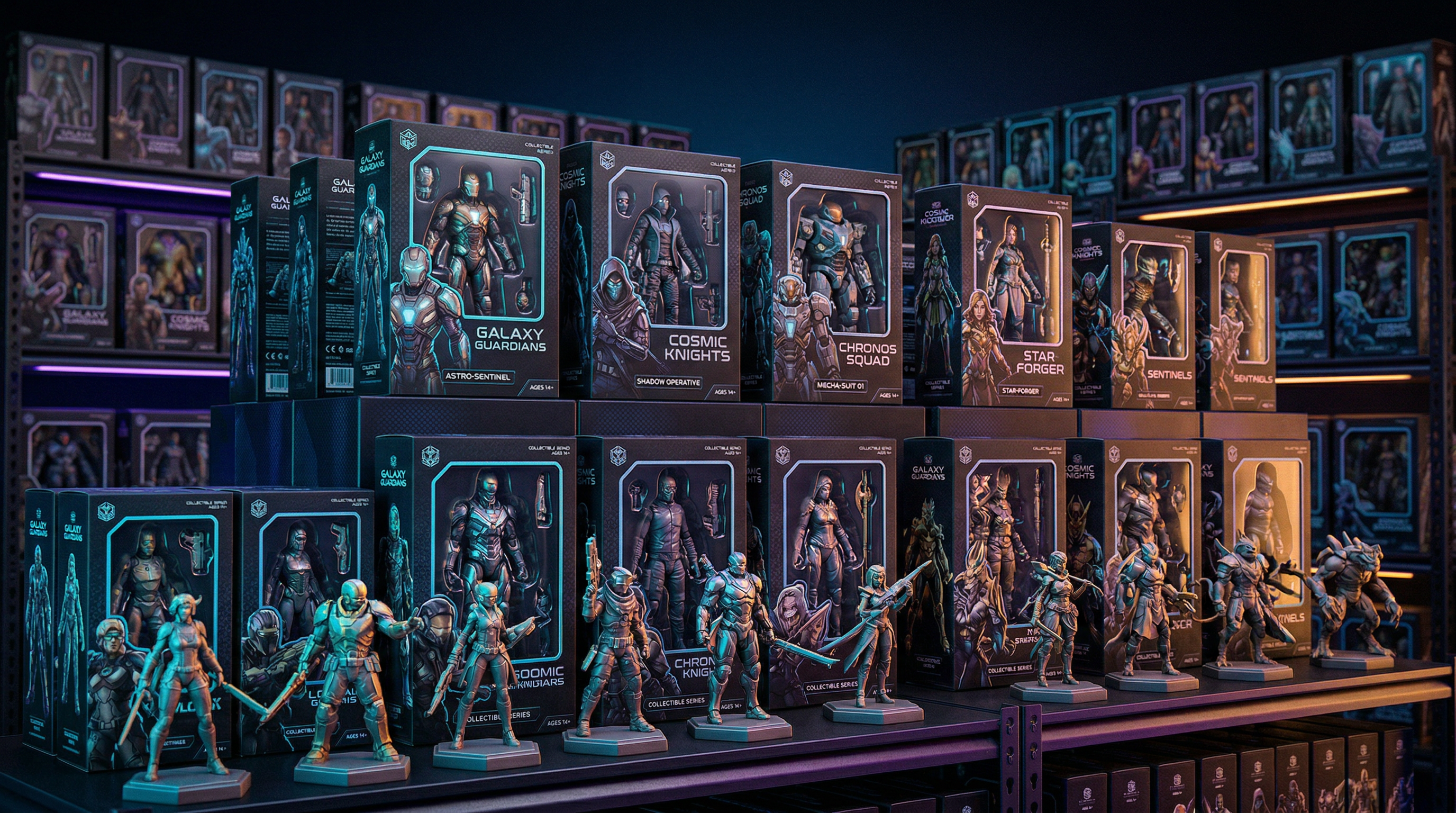
If you want output that feels collectible rather than gimmicky, pay attention to style consistency, accessory rendering, packaging details, and how well the model understands toy-like materials.
TL;DR: The best tools for AI action figure art are the ones that preserve character identity while actually understanding toy form, packaging, and stylized proportions.
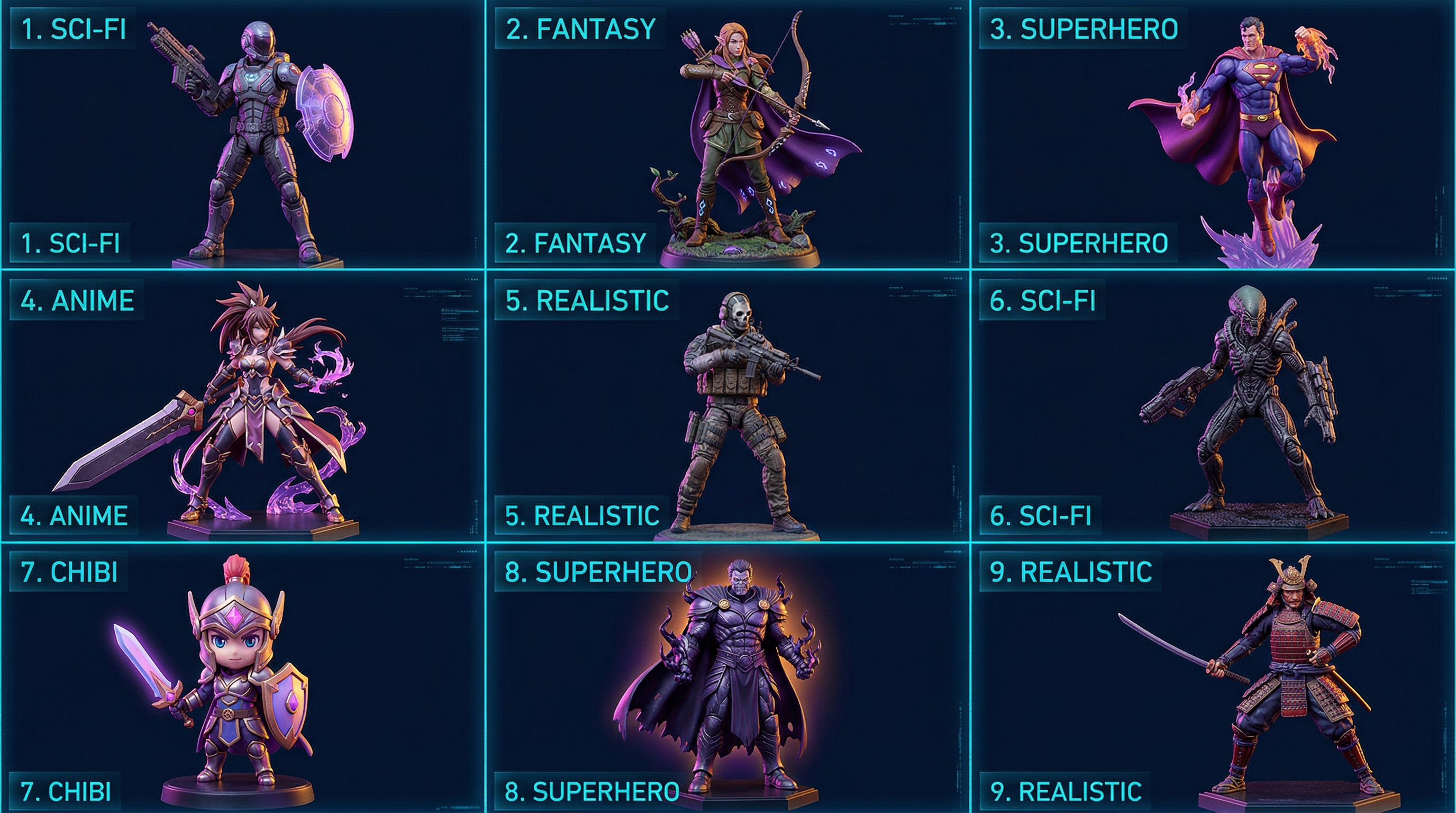
How to judge an action figure generator
A strong result needs more than a cool face.
- The figure should look like a designed object, not just a human portrait with plastic texture.
- Hands, accessories, and packaging details should stay coherent.
- The overall look should feel intentional enough to reuse across multiple concepts.
Good tools to test right now
The current shortlist depends on whether you want style or control.
- Midjourney is strong for polished, stylized action figure concepts.
- DALL-E is useful when you want easier prompt iteration and object-level experimentation.
- Stable Diffusion workflows are better when you need deeper visual control.
- Leonardo AI is often tested for toy-style concept art and asset variation.
Which workflow suits which user
Most users are choosing between speed and repeatability.
- Creators on social platforms usually want eye-catching output fast.
- Designers need more control over accessories, material look, and package layout.
- Repeatable series work benefits from models and workflows with stronger consistency.
Mistakes that make the output look cheap
The most common problem is treating the prompt like a portrait prompt.
- Forgetting to specify toy packaging, molded parts, or collectible style cues.
- Overloading the prompt with too many visual references at once.
- Ignoring consistency if you plan to turn one image into a series.
How we evaluate tools in this category
This guide is attributed to David Thompson, AI Tool Reviewer & Product Curator at Generator AI Tools. Our review standard is simple: we look at workflow fit, output quality, ease of use, pricing clarity, and how much cleanup is needed before a result is genuinely usable.
- We compare beginner fit and team fit separately, because the easiest tool is not always the best long-term choice.
- We look at how much manual editing or troubleshooting is still needed after the tool does its job.
- We treat official pricing pages, product demos, and onboarding experience as part of the evaluation, not just the headline feature list.
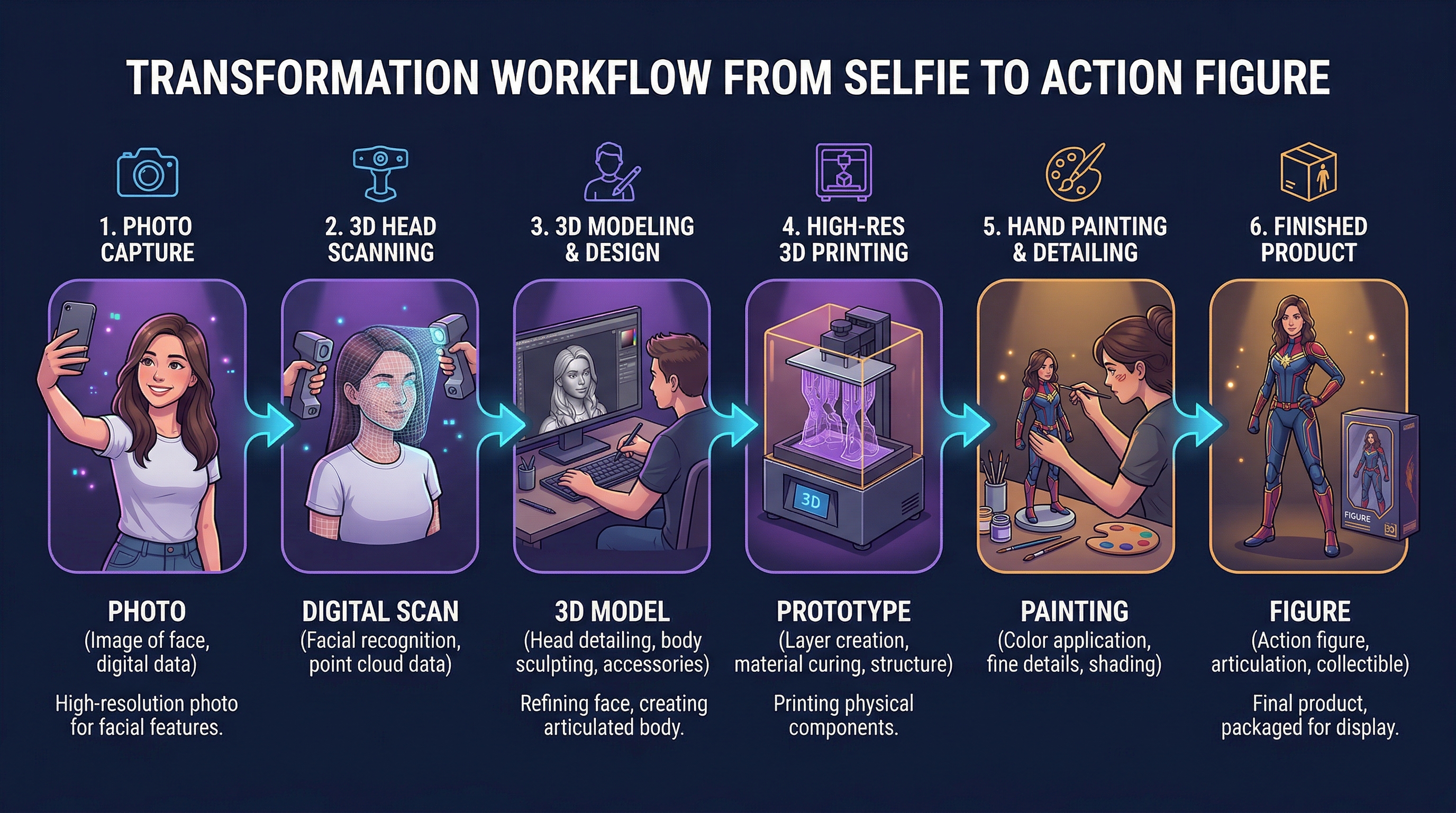
What to verify before you choose
- Check the official pricing page for current limits, credits, and export rules.
- Look at current examples or demos to see whether the output style still matches your use case.
- Confirm whether commercial usage, licensing, or content rights fit the way you plan to publish.
Referenced product pages
The products mentioned above are linked to their Generator AI Tools profiles so readers can compare positioning, category fit, and current availability without leaving the research flow too early.
Bottom line
AI action figure art works best when the model understands object design, not just faces. Start with the tool that gives you the right balance of style and control, then refine prompts around materials, packaging, and accessory detail.