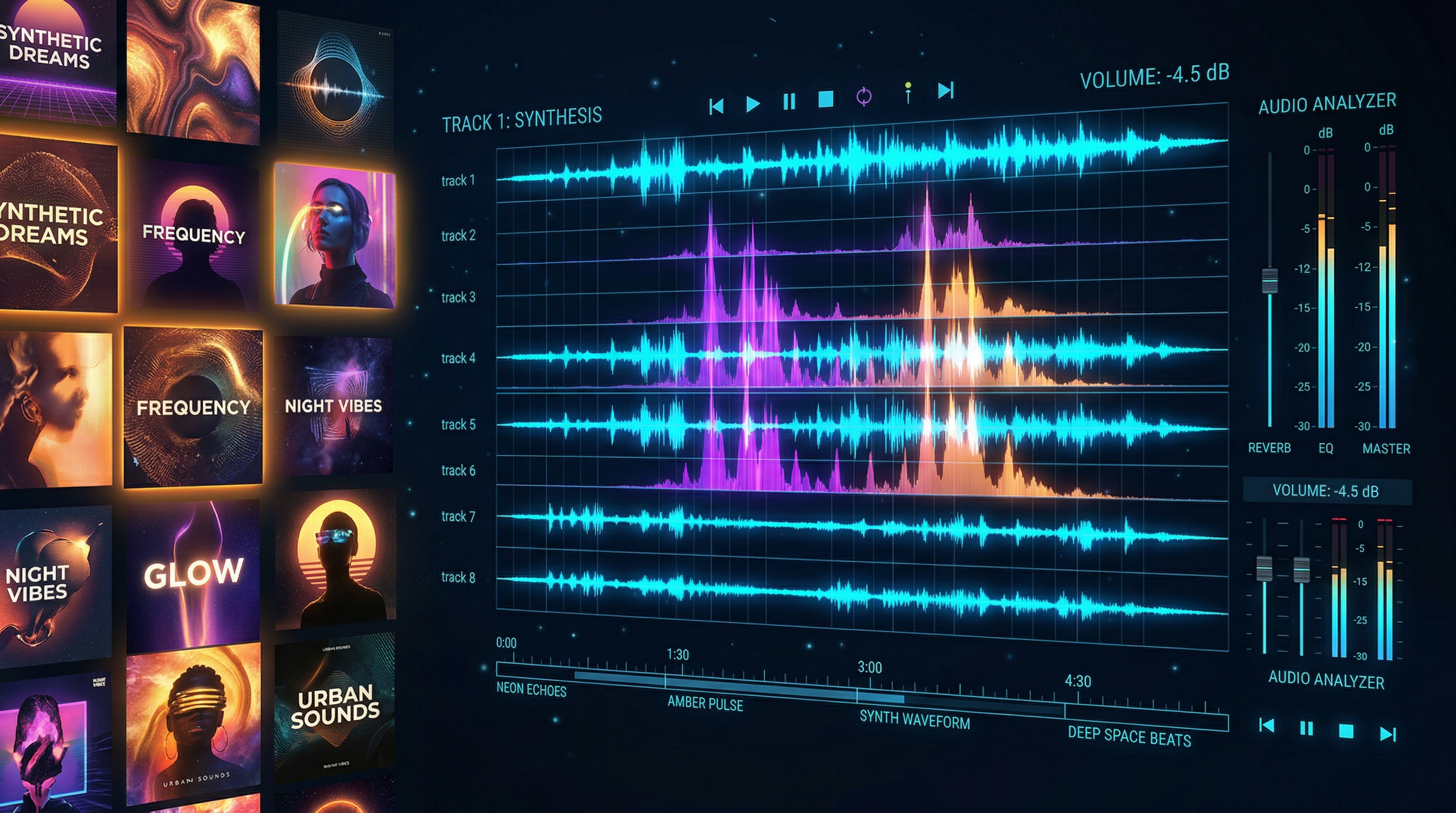
AI music generators have gone from curiosity to working creative tools, but the category is still uneven. Some products are better for idea generation, some are better for background tracks, and some still sound more impressive in demos than in repeat use.
If you are choosing one, the main question is not whether AI can generate music. It can. The real question is whether the tool fits the kind of music workflow you actually have.
TL;DR: The best AI music generator depends on whether you need fast drafts, royalty-safe background tracks, vocal experimentation, or a more serious composition workflow.
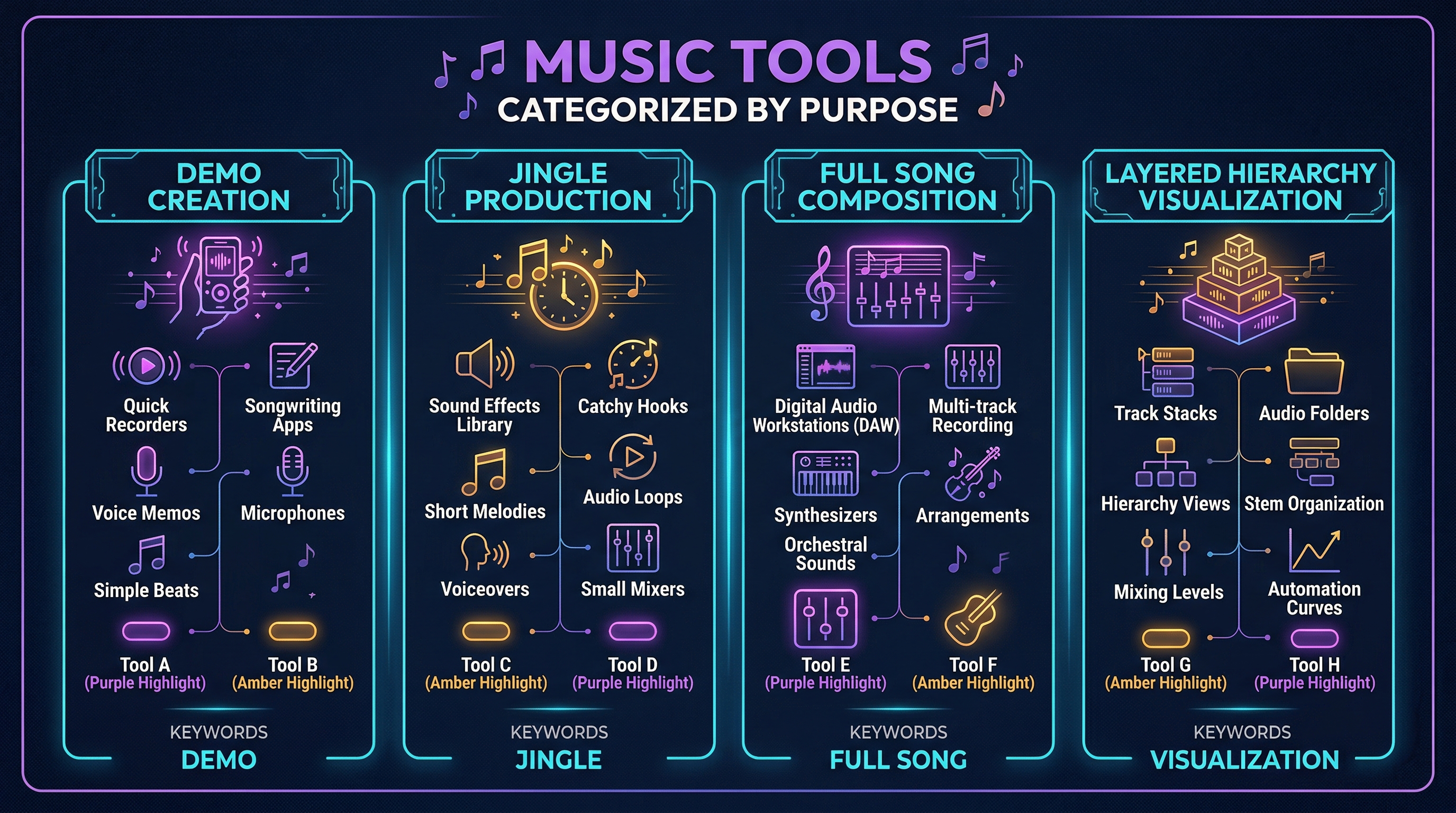
What matters when you compare music tools
A useful comparison starts with output goals, not brand names.
- Listen for consistency, arrangement quality, and whether the track feels reusable.
- Check how much control you have over genre, structure, mood, and duration.
- Make sure the licensing and export options fit your publishing workflow.
Tools worth comparing in 2026
A practical shortlist usually includes a mix of mainstream and specialist products.
- Suno is widely used for fast, catchy song generation and idea testing.
- Udio is often favored when users want more interesting musical output and experimentation.
- AIVA makes sense for people exploring more composition-oriented workflows.
- Soundraw is useful for creators who mainly need background music for content.
How different users should choose
The best fit changes fast once you define the job.
- Creators making social or YouTube content usually need fast licensing-safe tracks.
- Musicians experimenting with hooks may care more about melody and song feel.
- Teams producing branded content need predictability more than novelty.
Common mistakes
Most frustration comes from mismatched expectations.
- Expecting full production-ready songs from a tool built for rough ideation.
- Ignoring licensing terms until the track is already in production.
- Judging quality only from one spectacular sample instead of repeated tests.
How we evaluate tools in this category
This guide is attributed to David Thompson, AI Tool Reviewer & Product Curator at Generator AI Tools. Our review standard is simple: we look at workflow fit, output quality, ease of use, pricing clarity, and how much cleanup is needed before a result is genuinely usable.
- We compare beginner fit and team fit separately, because the easiest tool is not always the best long-term choice.
- We look at how much manual editing or troubleshooting is still needed after the tool does its job.
- We treat official pricing pages, product demos, and onboarding experience as part of the evaluation, not just the headline feature list.
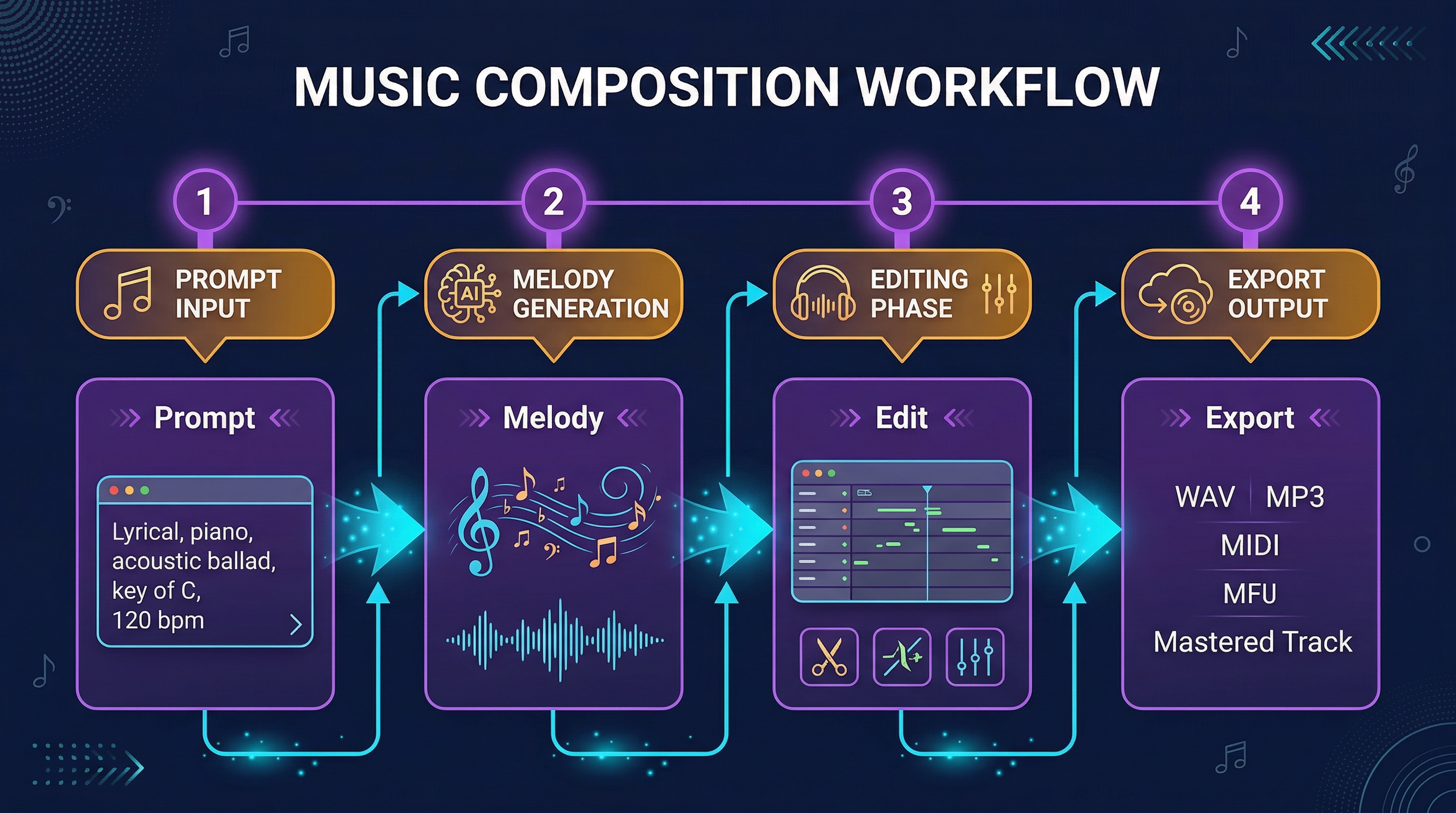
What to verify before you choose
- Check the official pricing page for current limits, credits, and export rules.
- Look at current examples or demos to see whether the output style still matches your use case.
- Confirm whether commercial usage, licensing, or content rights fit the way you plan to publish.
Referenced product pages
The products mentioned above are linked to their Generator AI Tools profiles so readers can compare positioning, category fit, and current availability without leaving the research flow too early.
Bottom line
AI music generators are genuinely useful, but only when you choose them for the right job. Start from your workflow, then judge tools on control, consistency, and licensing fit.