Best AI Tools 2026: An Honest Buyer's Guide to Choosing Faster
Editorial note (reviewed April 14, 2026): This draft is based on a review of the live AI Generator Tools database on April 14, 2026. At the time of review, the directory listed 2,129 active tools across 8 core categories. We also cross-checked representative products and plan pages on official sites from OpenAI, Anthropic, Google, Midjourney, and Zapier. Tool counts, pricing, and feature limits can change.
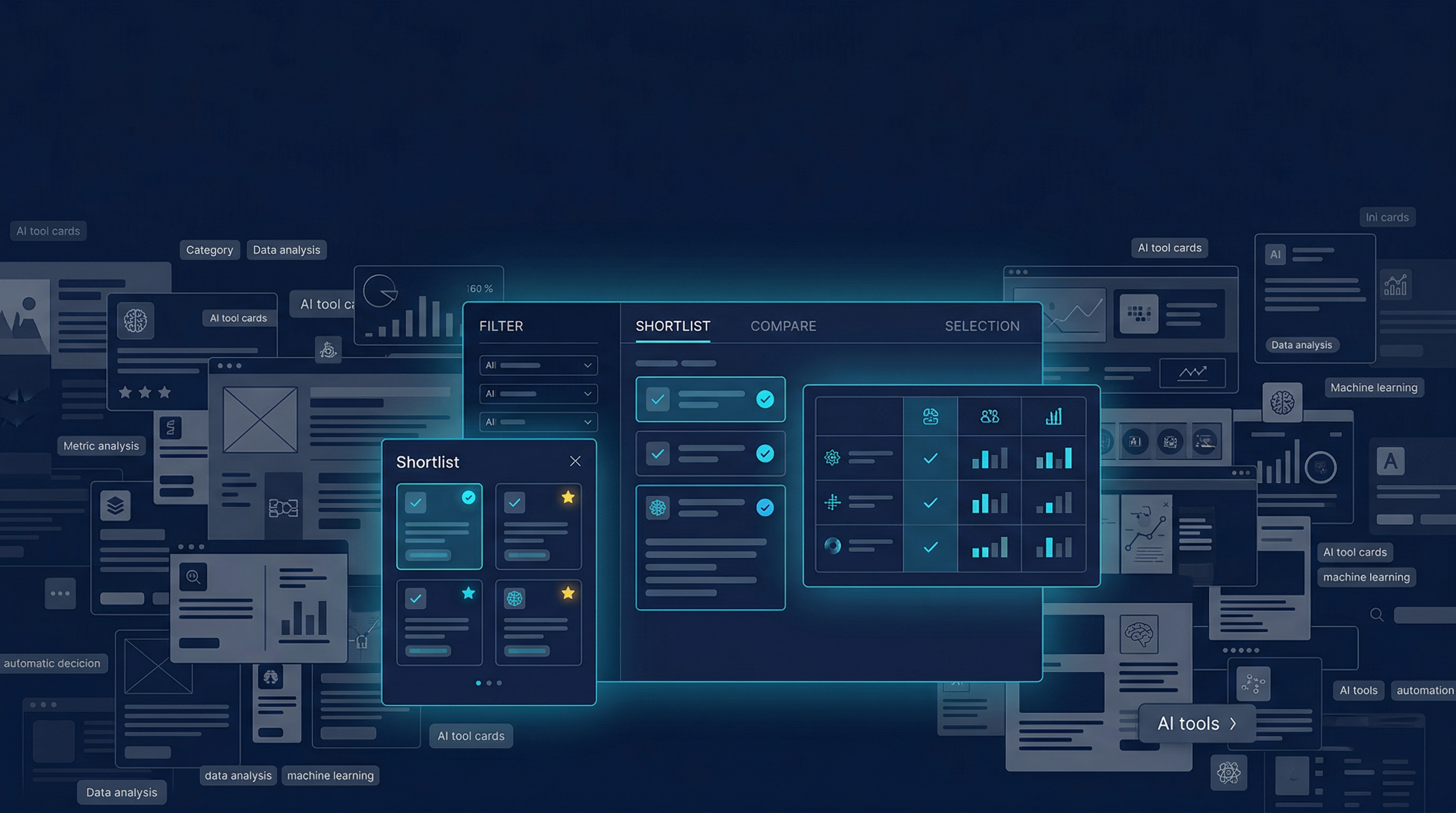
If you are searching for the best AI tools 2026, the most useful answer is usually not a giant ranking. It is a faster way to narrow the shortlist.
That is why this guide takes a buyer's view. Instead of pretending one tool is “best” for everyone, it focuses on how to compare tools by job to be done, pricing model, workflow fit, and trust signals. In that context, AI Generator Tools is most useful as a structured research layer, not as the final verdict by itself.
Quick answer
For most buyers in 2026, the smartest process looks like this:
- Start with the task you need to solve.
- Compare a small set of relevant tools side by side.
- Verify pricing, limits, integrations, and data policies on the official vendor site.
- Only then start trials or paid plans.
What we checked for this guide
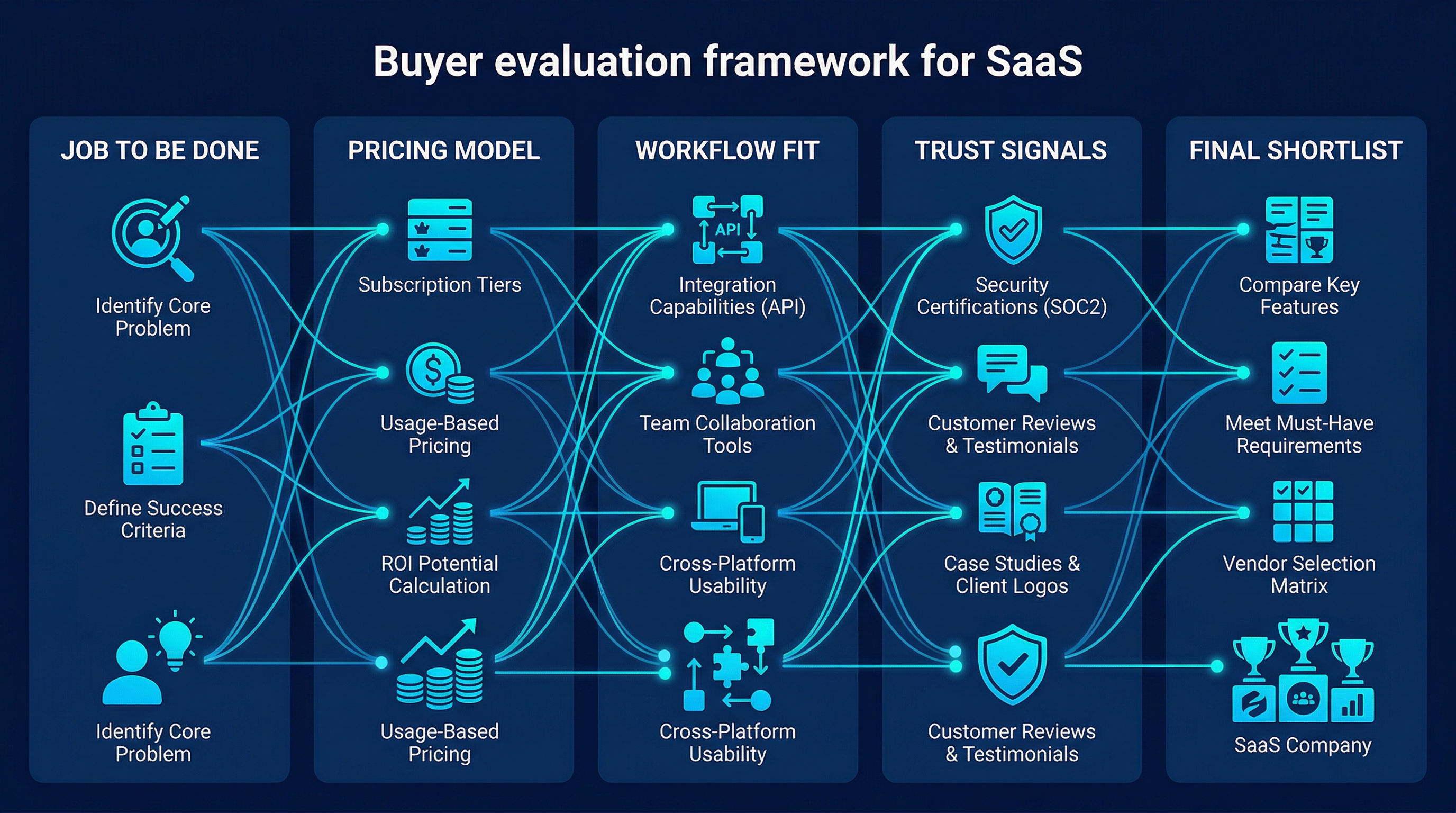
This draft follows a simple evaluation framework so it reads more like a buyer guide and less like a hype list.
| What we checked | Why it matters |
|---|---|
| Live directory depth | A directory is only useful if it covers enough categories and tools to make comparison meaningful. |
| Category structure | Buyers move faster when discovery starts with clear job-based categories. |
| Pricing visibility | Commercial-intent readers need to know whether a tool is free, freemium, or paid before clicking deeper. |
| Decision support | Comparison pages, reviews, and summaries reduce random tab-opening. |
| Trust signals | Official product pages, current pricing, and clear use cases matter more than social hype. |
Where AI Generator Tools is genuinely useful
After reviewing the live database, the biggest strength is not “having many tools.” Plenty of directories do that. The real strength is that the site gives users a clearer decision workflow:
- category-based discovery,
- concise tool summaries,
- pricing labels,
- editorial comparisons and reviews,
- and a cleaner jump from “research” to “shortlist.”
That matters because raw tool volume is not the problem in 2026. Decision fatigue is.
The current discovery landscape, in plain English

As of April 14, 2026, the live AI Generator Tools database shows:
| Signal from the live database | Current snapshot |
|---|---|
| Active tool listings | 2,129 |
| Core categories | 8 |
| Largest category by count | Developer Tools |
| Other major discovery areas | Research & Data, Business & Productivity, Image Generation, Audio & Voice |
That gives the platform enough breadth to be useful for buyers who are still figuring out whether they need a chatbot, an image tool, a coding assistant, a workflow automation tool, or a research stack.
Best way to use it as a buyer
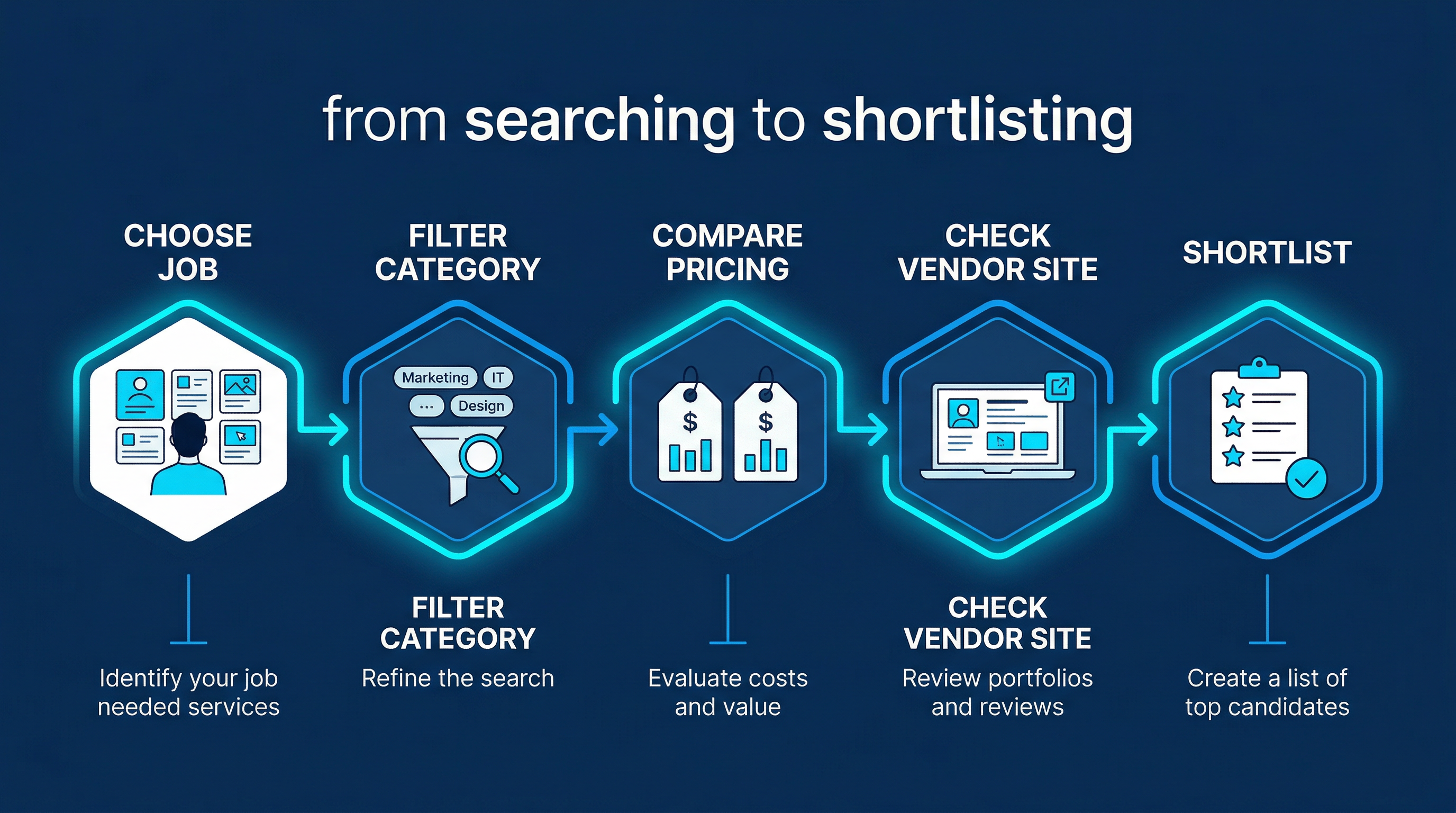
1. Start with the workflow, not the brand
Do not start with “What is the number-one AI tool?” Start with:
- “I need a coding assistant for debugging and docs.”
- “I need a video tool for short-form content.”
- “I need a chatbot for drafting and research.”
- “I need automation so repetitive work stops leaking time.”
That one shift usually removes half the noise.
2. Use the directory to build a shortlist, not to skip due diligence
The directory is strong at helping you move from a giant market to a smaller candidate list. It is weaker as the final source of truth for:
- security posture,
- contract terms,
- API reliability,
- enterprise controls,
- or the latest plan changes.
Those still need to be checked on the official vendor page.
3. Compare categories before comparing features
For many teams, choosing the right tool type matters more than choosing the final brand on day one.
| If your main job is... | Start here first | Then verify on official pages |
|---|---|---|
| General writing, planning, and research | Chatbots | model limits, memory, file uploads, and pricing tiers |
| Visual creation | Image generation tools | commercial rights, image quality, style control, generation limits |
| Workflow automation | Automation platforms | integrations, task limits, approvals, and usage pricing |
| Tool research before purchase | AI Generator Tools | then click through to vendor docs and pricing |
Representative tools beginners and buyers still check first
These are not “the winners for everyone.” They are simply some of the products users most often need to compare in 2026.
| Tool or platform | Why buyers check it | What to verify before paying |
|---|---|---|
| ChatGPT | Broad general-purpose use across writing, reasoning, research, and image workflows | current plan limits, memory, model access, and business data controls |
| Claude | Strong long-form writing, structured reasoning, and coding workflows | usage tiers, connector support, and plan-specific model access |
| Gemini | Useful when a buyer already works inside Google's ecosystem | plan differences, Workspace support, and regional availability |
| Midjourney | Still a common checkpoint for image quality and creative ideation | commercial rights, workflow fit, and generation workflow |
| Zapier | A practical starting point for AI-assisted automation and orchestration | app coverage, task pricing, approvals, and governance needs |
| AI Generator Tools | Best used as a directory and comparison layer | always verify final product details on the vendor site |
What I like most about AI Generator Tools
Clear organization
The platform is easier to scan than many generic list pages because it starts with categories and tool intent instead of forcing users through one giant list.
Better commercial-intent context
Buyers do not just need features. They need clues about:
- who a tool is for,
- how it is priced,
- and whether it fits the task they actually care about.
That is where pricing labels and concise summaries help.
Editorial support beyond listings
The combination of tool pages, blog comparisons, reviews, and AI news coverage makes the experience feel more maintained than a thin directory that only collects submissions.
Where buyers should stay cautious
This is the part many “best AI tools” pages skip.
- A directory can accelerate discovery, but it does not replace vendor due diligence.
- A useful summary is not the same as a technical benchmark.
- A pricing label is helpful, but it is not a substitute for the current official pricing page.
- A shortlist is progress, but it is not a deployment decision.
That is especially true if the tool will touch team data, customer data, or production workflows.
Who this guide is best for
Use this draft if you are:
- comparing multiple AI tools before spending money,
- trying to understand the market by workflow instead of hype,
- or building a shortlist for writing, coding, video, image, research, or automation use cases.
This guide is less useful if you already know the exact vendor you want and only need final pricing or contract details. At that point, the official product site should be your primary source.
Final verdict
If your goal is to find the best AI tools 2026 in a more structured way, AI Generator Tools is useful because it helps you move from searching to shortlisting.
That is the honest value:
- not that it magically picks the perfect tool for everyone,
- but that it reduces the mess of early-stage tool research.
For most buyers, that is already a meaningful advantage.
FAQ
What does “best AI tools 2026” actually mean?
Usually it means best for a specific workflow, not best in the abstract. A writing tool, an image tool, and an automation platform solve different problems.
Should I trust a directory or the vendor site more?
Use the directory to narrow options. Use the vendor site for final checks on pricing, limits, privacy, integrations, and contracts.
Is AI Generator Tools itself an AI app?
It is better understood as an AI tool discovery and comparison platform, supported by editorial pages and reviews.
What is the fastest way to compare AI tools?
Start with the task, scan a category, shortlist 3 to 5 tools, then compare official pricing and feature pages before testing.