AI bio generators are useful because writing about yourself is oddly harder than writing about almost anything else. Most people know what they do, but struggle to say it in a way that sounds clear, credible, and human.
The best tools help you generate options fast without turning every profile into the same overpolished, startup-sounding paragraph.
TL;DR: A good AI bio generator should help you sound clearer, not more generic. The strongest tools are the ones that support tone, audience, and length control.
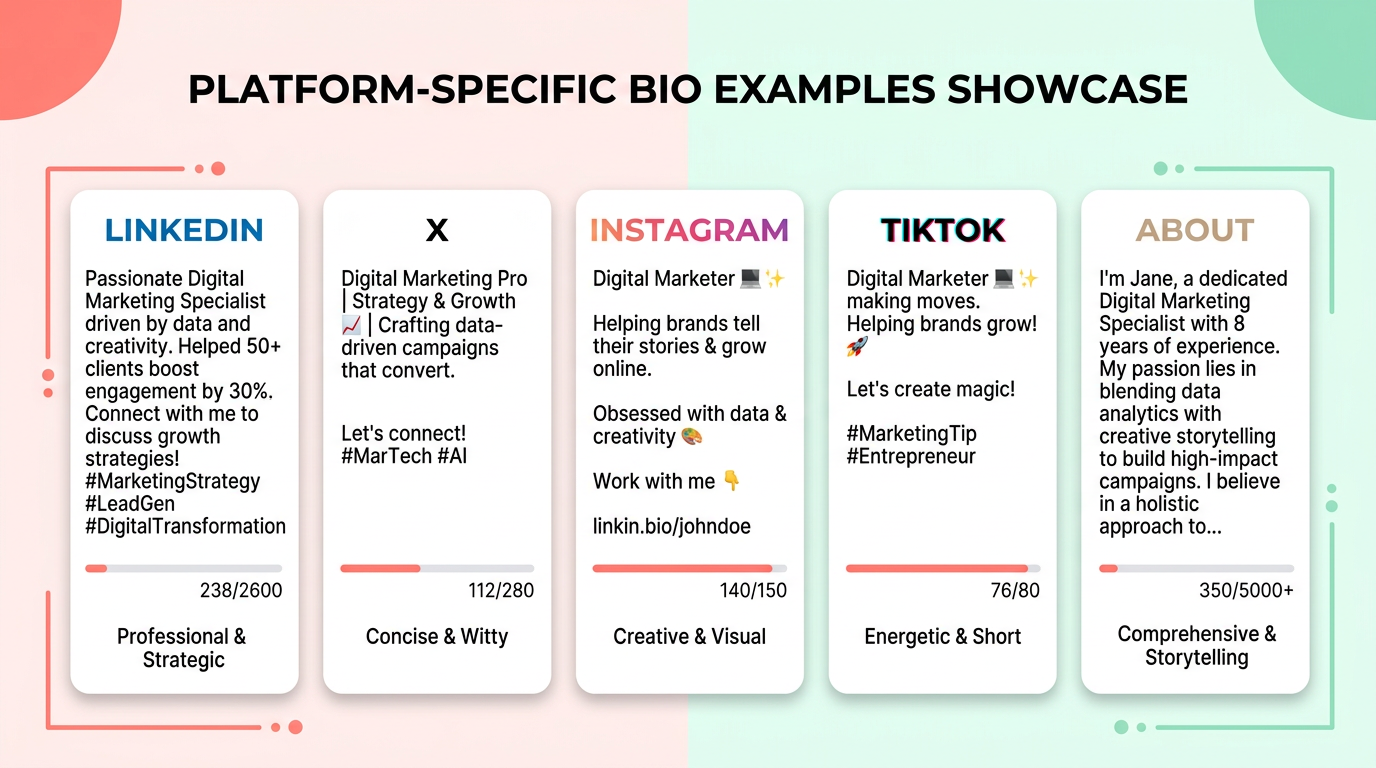
What makes a bio generator worth using
A strong bio tool should solve practical writing problems, not just spit out filler.
- It should adapt to where the bio will appear, such as LinkedIn, a speaker page, or a creator profile.
- It should offer tone variation so the result does not sound like a boilerplate press release.
- It should make it easy to shorten, sharpen, and personalize the final text.
Tools that work well for bio writing
Most people do best with tools that balance structure and flexibility.
- ChatGPT is useful for generating several tone variations quickly.
- Claude is often stronger when you want cleaner, less clichéd phrasing.
- Jasper can help teams standardize copy style across several bios.
- QuillBot is useful when the draft already exists and just needs tightening.
How to use AI bios without sounding fake
The best results usually come from treating the tool as an editor, not as the final writer.
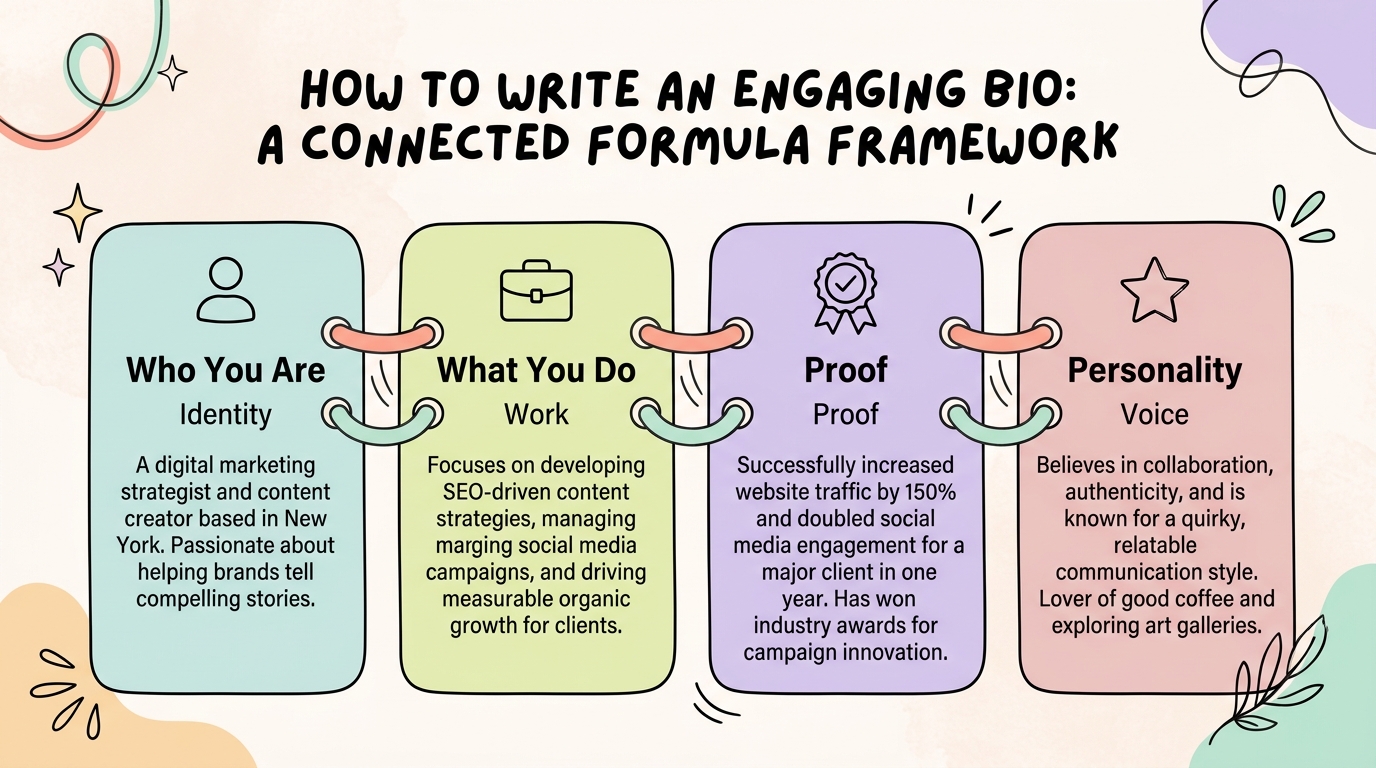
- Give the tool real inputs, including role, audience, proof points, and tone.
- Keep one concrete detail in the bio so it sounds anchored in reality.
- Edit the final draft until it sounds like something you would actually say.
Common mistakes
Most weak AI bios fail for the same reason: too much polish, not enough specificity.
- Using vague phrases like passionate, visionary, or innovative without evidence.
- Trying to sound impressive instead of understandable.
- Publishing the first output without rewriting for voice.
How we approach prompt and workflow tools
This guide is attributed to Aisha Hassan, Prompt Design Coach at Generator AI Tools. For prompt-heavy categories, we focus on usability, controllability, how easy the tool is to iterate with, and whether the output improves with better instructions instead of collapsing into generic filler.
- We look for tools that help users shape tone, structure, and intent with reasonable control.
- We separate ideation value from publication-ready value, because a useful prompt tool is not always a strong final-writing tool.
- We prefer workflows that make revision and human editing easier rather than hiding weak output behind polished marketing copy.
What to verify before you choose
- Check how much prompt control and revision flexibility the tool actually gives you.
- Compare current output quality against your real task, not just example screenshots.
- Verify pricing, usage limits, and any restrictions that affect repeated daily use.
Referenced product pages
The products mentioned above are linked to their Generator AI Tools profiles so readers can compare positioning, category fit, and current availability without leaving the research flow too early.
Bottom line
AI bio generators are best used as a speed tool for structure and tone exploration. The final version should still feel specific, grounded, and recognizably yours.