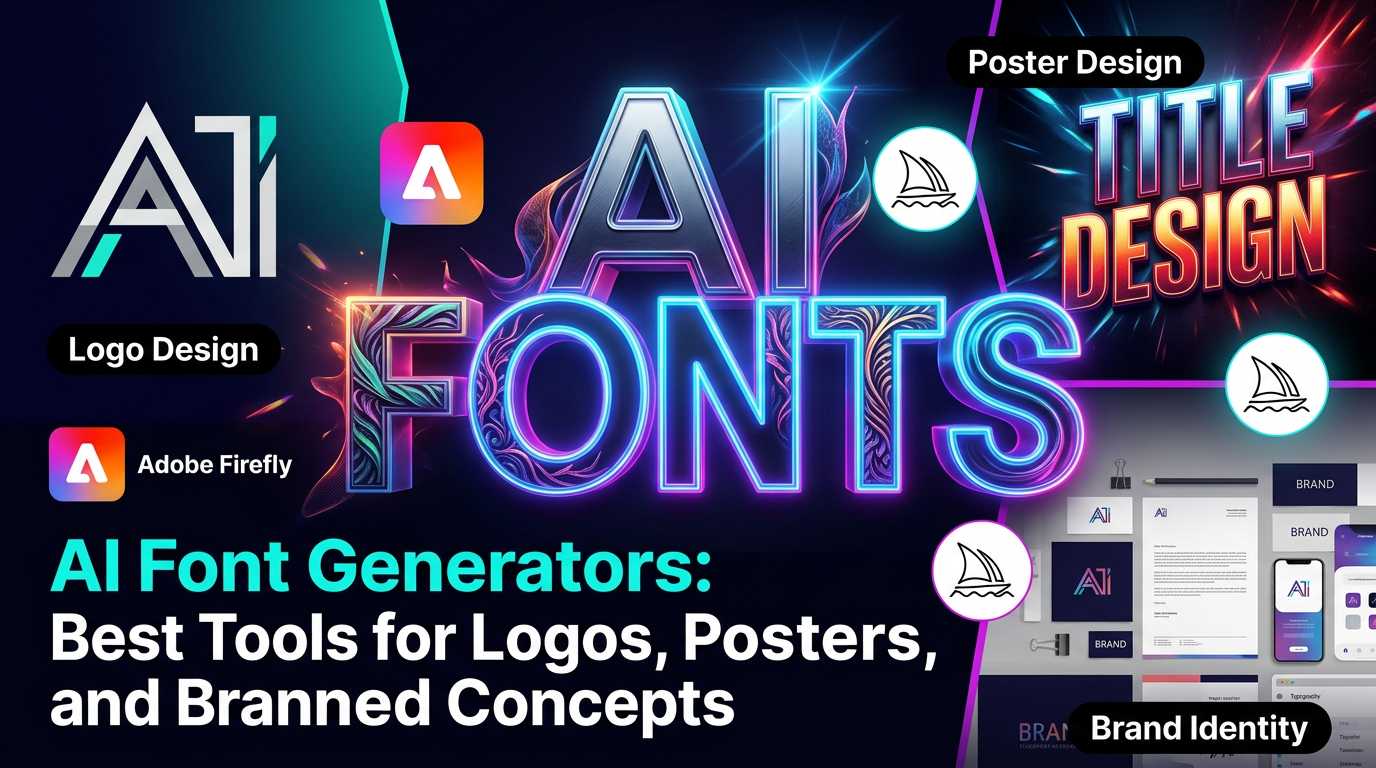
AI font generators are rarely about creating a final production font from scratch. They are much more useful as idea accelerators for logos, posters, packaging, and early brand concepts.
That means the best tool depends on whether you need inspiration, stylized lettering, or a cleaner bridge into a real design workflow that still requires human judgment.
TL;DR: The strongest AI font tools help you explore direction fast. They are best used for concepting, lettering inspiration, and visual experimentation rather than as one-click replacement for real type design.
How to judge AI font tools
The test is not whether the letters look novel. It is whether the result can support a real design process.
- The lettering should feel coherent rather than randomly stylized.
- The workflow should support iteration on mood, era, and brand character.
- You should be able to turn the concept into something usable in a real layout workflow.
Tools to compare
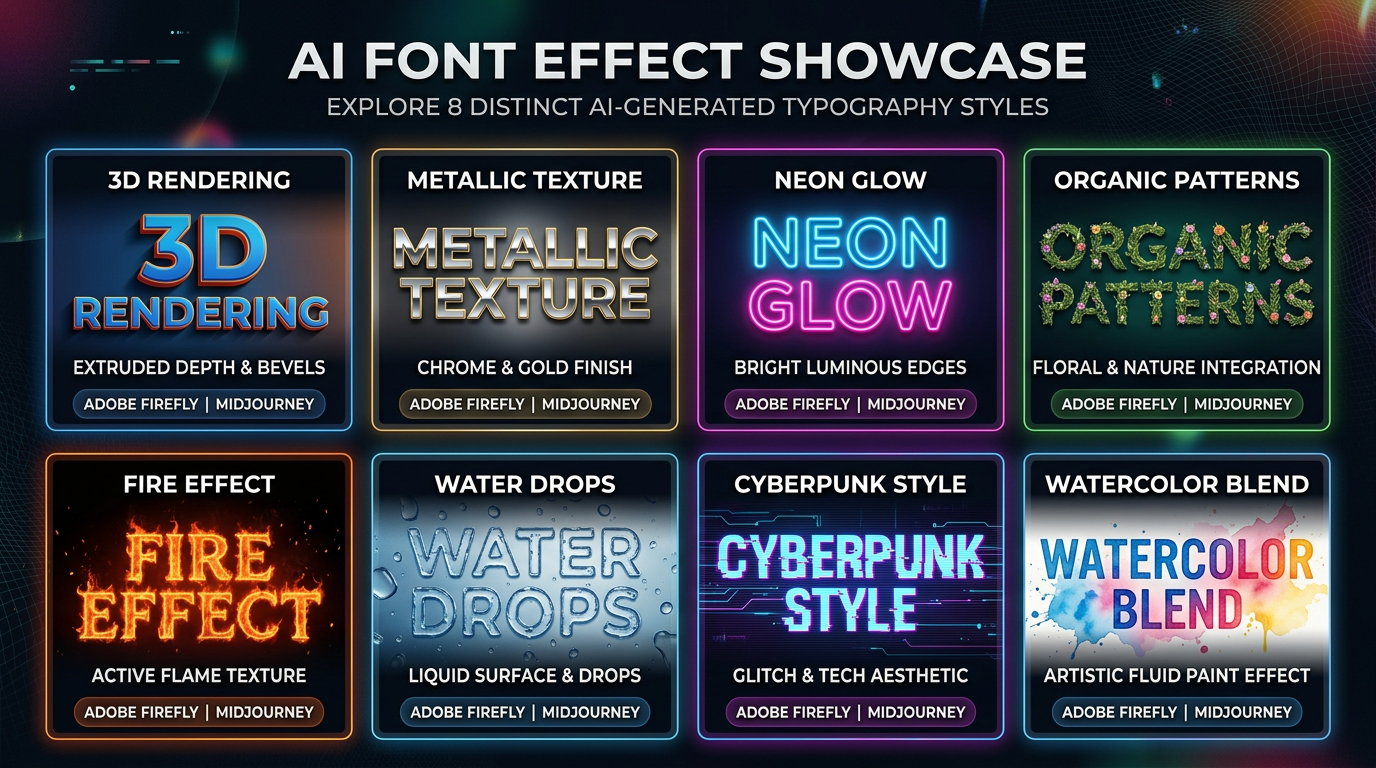
The best stack often combines generation with refinement.
- Adobe Firefly is useful for design-adjacent concepting inside a creative workflow.
- Midjourney can generate bold lettering ideas and poster-style directions.
- Canva is helpful for fast social and poster experimentation.
- Illustrator plus AI-assisted ideation still makes the most sense when the concept needs to become usable design work.
Best use cases
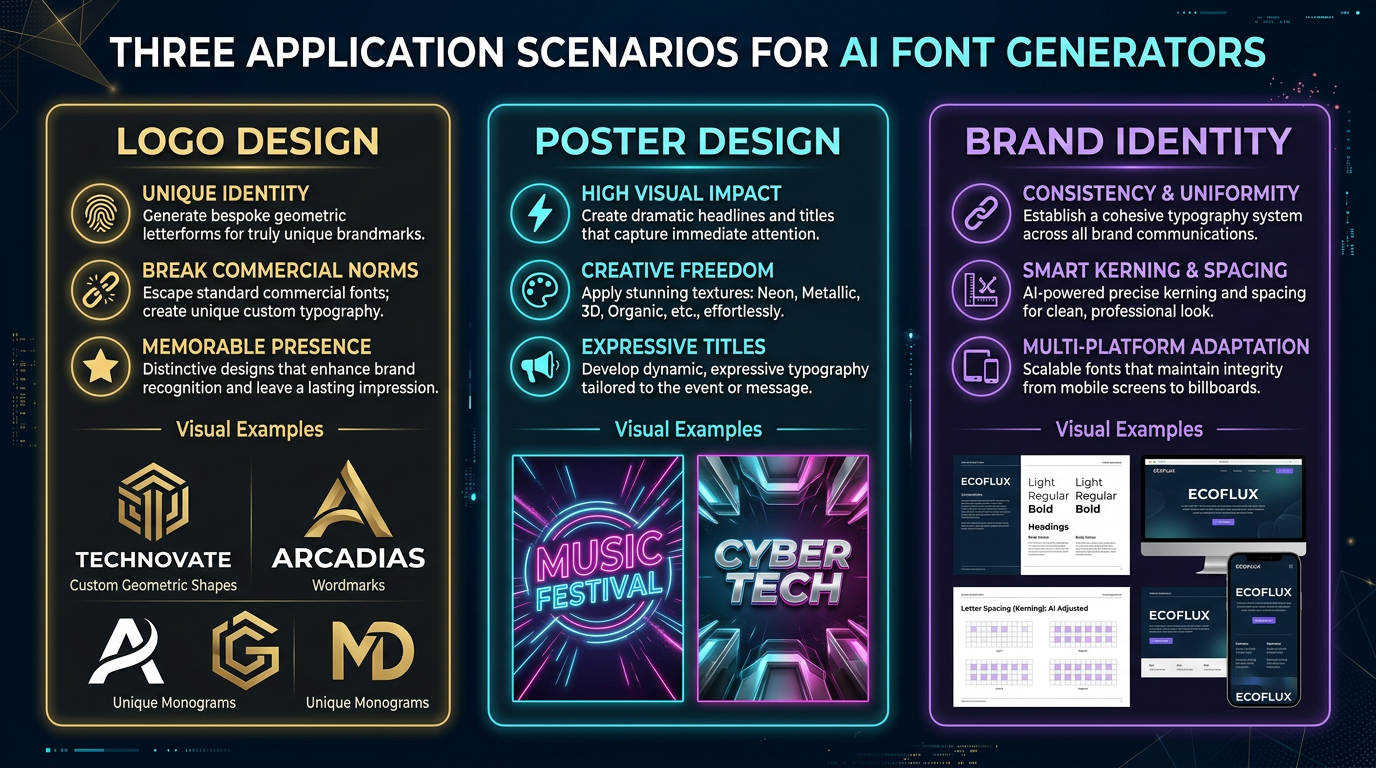
These tools are strongest at the concept stage.
- Logo exploration for early-stage brands.
- Poster and event visuals that need stylized letter direction.
- Mood boarding for packaging, editorial, or music-related design work.
Where users go wrong
The usual mistake is expecting production-ready typography from a concept tool.
- Skipping legibility checks because the lettering looks cool.
- Trying to use decorative AI lettering as a fully functional type system.
- Forgetting that brand fit matters more than novelty.
How we approach prompt and workflow tools
This guide is attributed to Aisha Hassan, Prompt Design Coach at Generator AI Tools. For prompt-heavy categories, we focus on usability, controllability, how easy the tool is to iterate with, and whether the output improves with better instructions instead of collapsing into generic filler.
- We look for tools that help users shape tone, structure, and intent with reasonable control.
- We separate ideation value from publication-ready value, because a useful prompt tool is not always a strong final-writing tool.
- We prefer workflows that make revision and human editing easier rather than hiding weak output behind polished marketing copy.
What to verify before you choose
- Check how much prompt control and revision flexibility the tool actually gives you.
- Compare current output quality against your real task, not just example screenshots.
- Verify pricing, usage limits, and any restrictions that affect repeated daily use.
Referenced product pages
The products mentioned above are linked to their Generator AI Tools profiles so readers can compare positioning, category fit, and current availability without leaving the research flow too early.
Bottom line
AI font generators are best treated as typography inspiration engines. They are extremely useful for direction finding, but the strongest final work still comes from refining those ideas with design judgment.