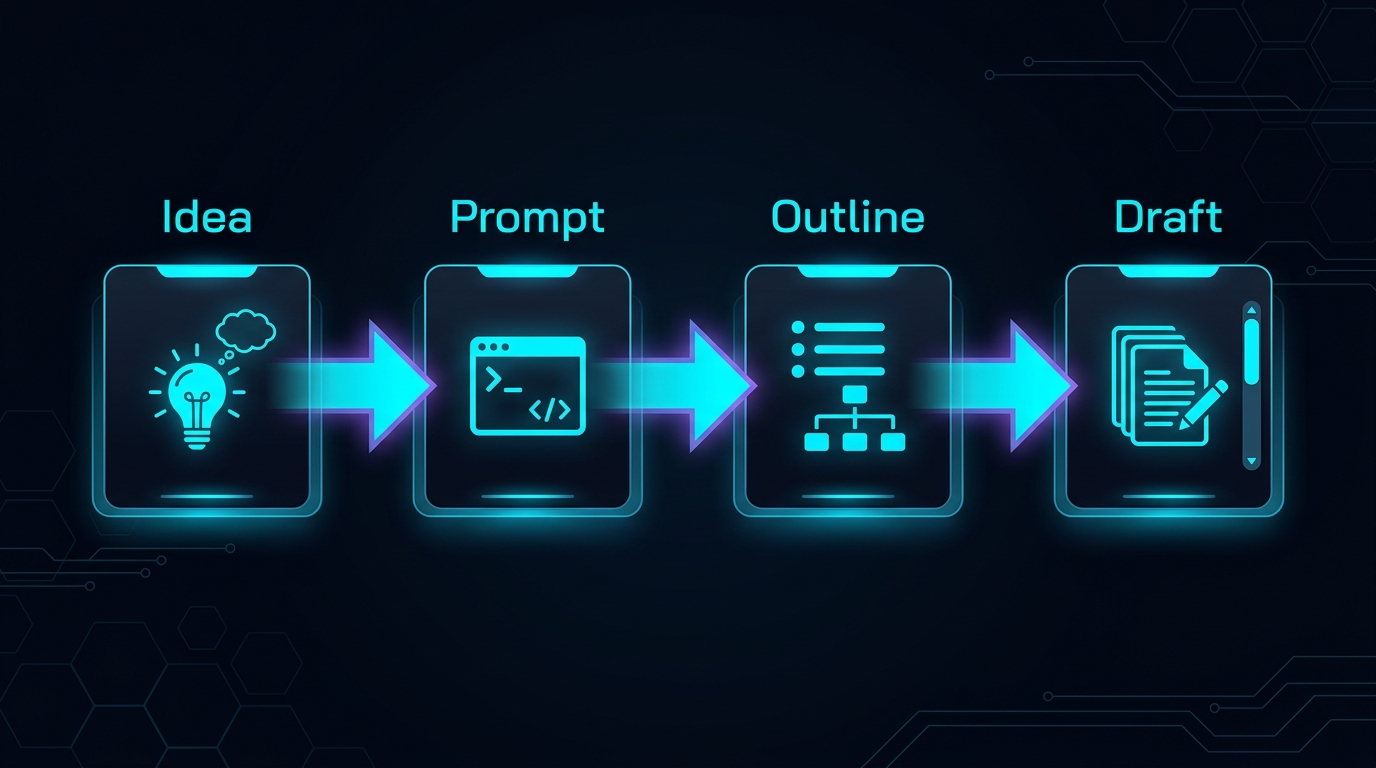
Perchance AI Story Generator is appealing for one simple reason: it lowers the friction between a blank page and a workable scene. Instead of forcing writers to build everything from scratch, it gives you enough momentum to start shaping plot, tone, and character voice.
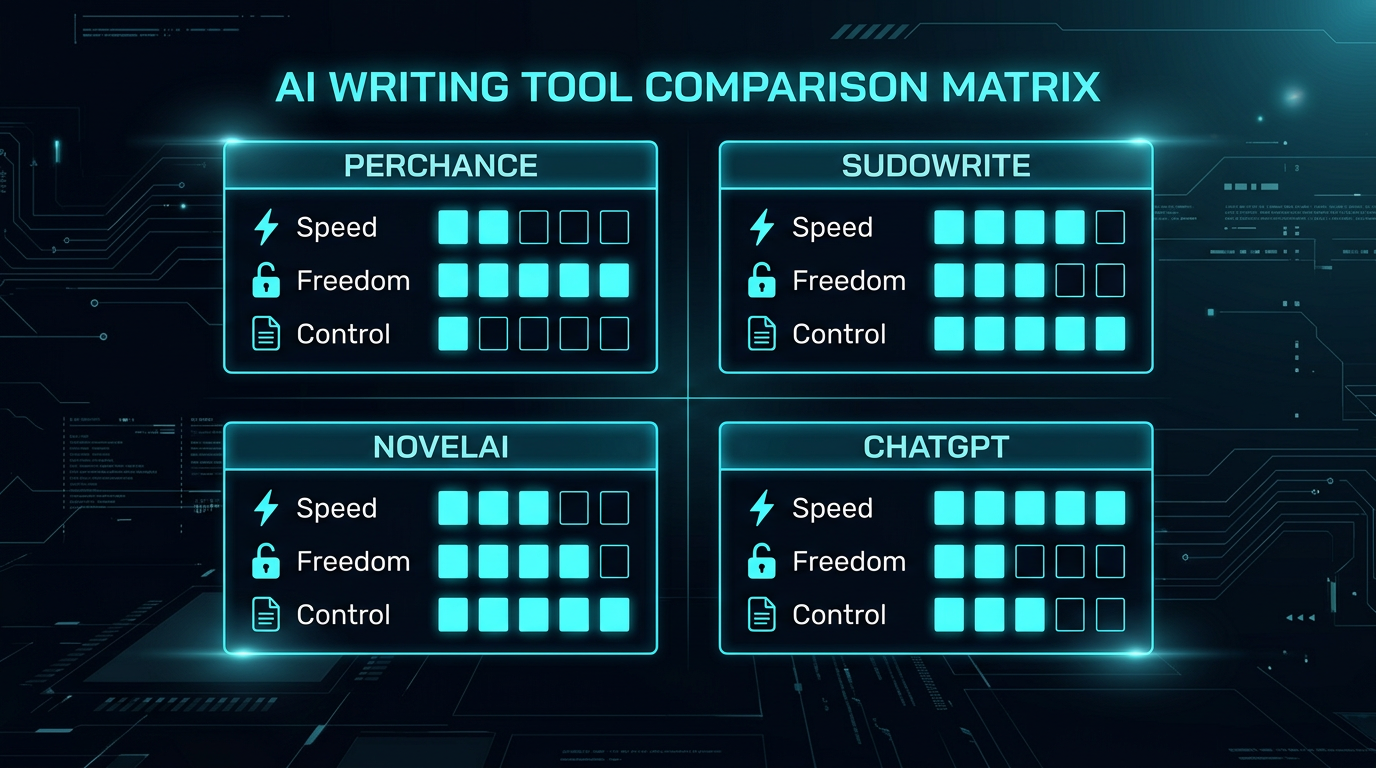
That does not automatically make it the best option for every fiction workflow. The real question is whether you need speed, control, or polished long-form drafting, because Perchance is much stronger at some of those jobs than others.
Quick verdict: Perchance is a solid low-friction tool for brainstorming, scene starts, and character experimentation, but it is not the strongest option when you need highly consistent long-form narrative control.
What it does well
Where Perchance usually works best is early-stage ideation.
- It helps you move from vague idea to rough scene faster than a blank document.
- The workflow feels lightweight, which makes it easy to experiment with multiple directions.
- It is useful for prompts, story hooks, dialogue warmups, and character setup.
Where it starts to feel limited
The weaknesses show up once you ask it to hold structure over longer spans.
- Tone and continuity can drift if you keep extending the same piece.
- The output may need heavy rewriting before it reads like finished prose.
- It is better at kickstarting drafts than replacing real editorial judgment.
Who should actually use it
The best fit depends on the stage of writing you are in.
- Use it if you need quick ideation for scenes, prompts, or character directions.
- Skip it if you want polished, publication-ready chapters with tight continuity.
- Pair it with a stronger editing workflow if you are writing something longer than a short scene.
Alternatives worth considering
Writers who outgrow Perchance usually move toward tools with stronger control or editing support.
- ChatGPT is more flexible when you want back-and-forth iteration on plot and structure.
- Sudowrite is often stronger for fiction-specific expansion and revision workflows.
- Claude can be more useful when you want a cleaner reasoning partner for outline refinement.
How we approach prompt and workflow tools
This guide is attributed to Aisha Hassan, Prompt Design Coach at Generator AI Tools. For prompt-heavy categories, we focus on usability, controllability, how easy the tool is to iterate with, and whether the output improves with better instructions instead of collapsing into generic filler.
- We look for tools that help users shape tone, structure, and intent with reasonable control.
- We separate ideation value from publication-ready value, because a useful prompt tool is not always a strong final-writing tool.
- We prefer workflows that make revision and human editing easier rather than hiding weak output behind polished marketing copy.
What to verify before you choose
- Check how much prompt control and revision flexibility the tool actually gives you.
- Compare current output quality against your real task, not just example screenshots.
- Verify pricing, usage limits, and any restrictions that affect repeated daily use.
Referenced product pages
The products mentioned above are linked to their Generator AI Tools profiles so readers can compare positioning, category fit, and current availability without leaving the research flow too early.
Bottom line
Perchance AI Story Generator is easy to like because it gets you unstuck quickly. Treat it as a drafting accelerant, not as a finished-story machine, and it becomes much more useful.