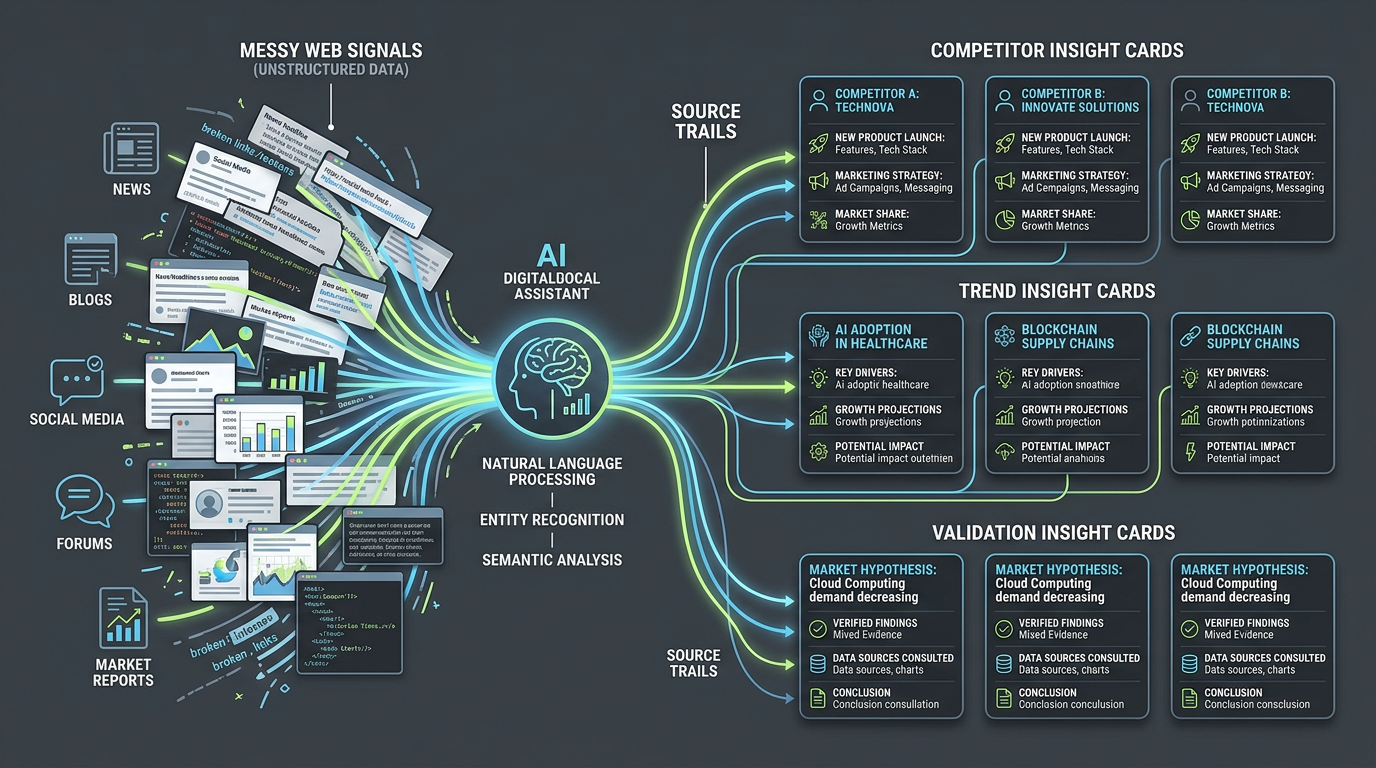

Agentic AI and generative AI are often described as if they are interchangeable. They are not. The confusion happens because many products bundle both ideas together and then market the bundle as one thing.
The simplest way to separate them is to ask whether the system is mainly producing content or whether it is planning and acting across multiple steps toward a goal.
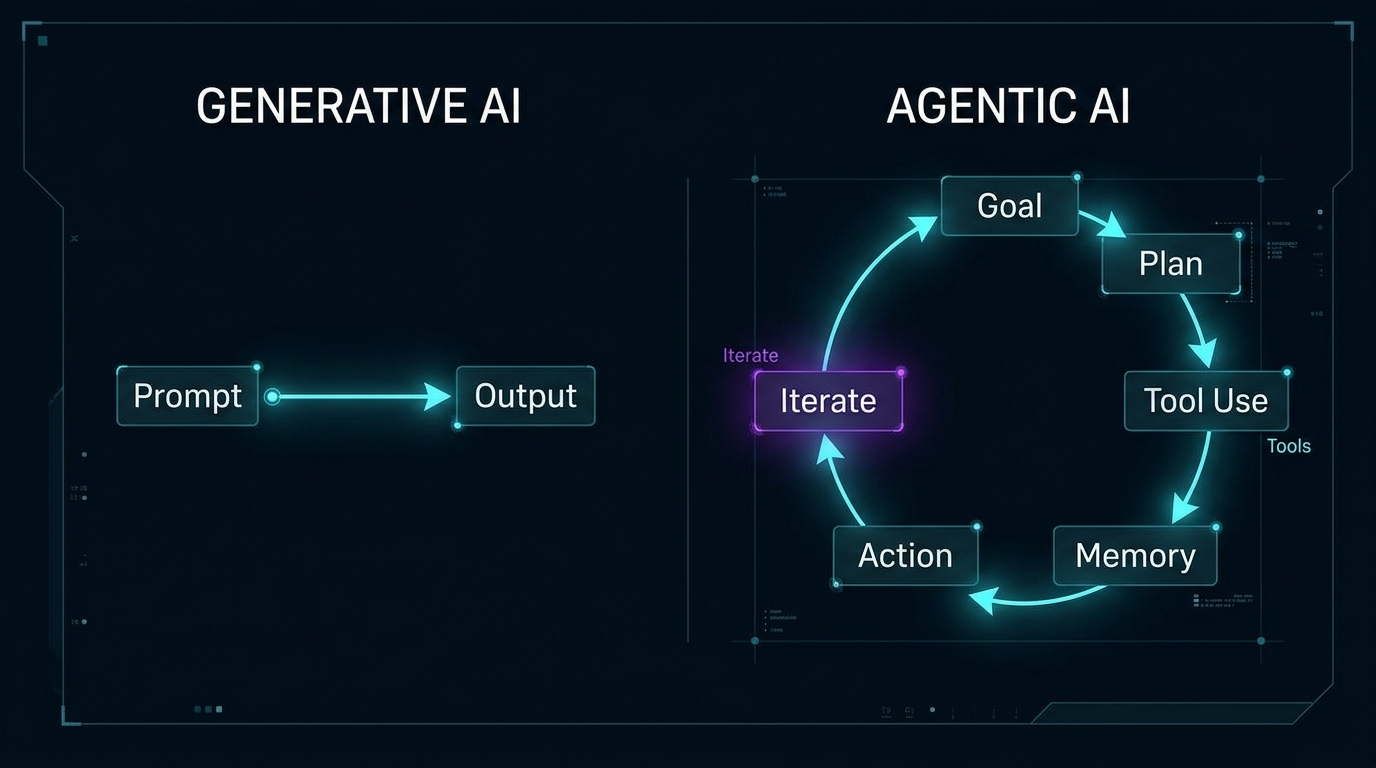
Short answer: Generative AI is primarily about creating outputs such as text, images, code, or audio. Agentic AI adds planning, sequencing, tool use, and goal-directed behavior on top of generation.
What generative AI is good at
Generative models excel when the main task is producing content from prompts.
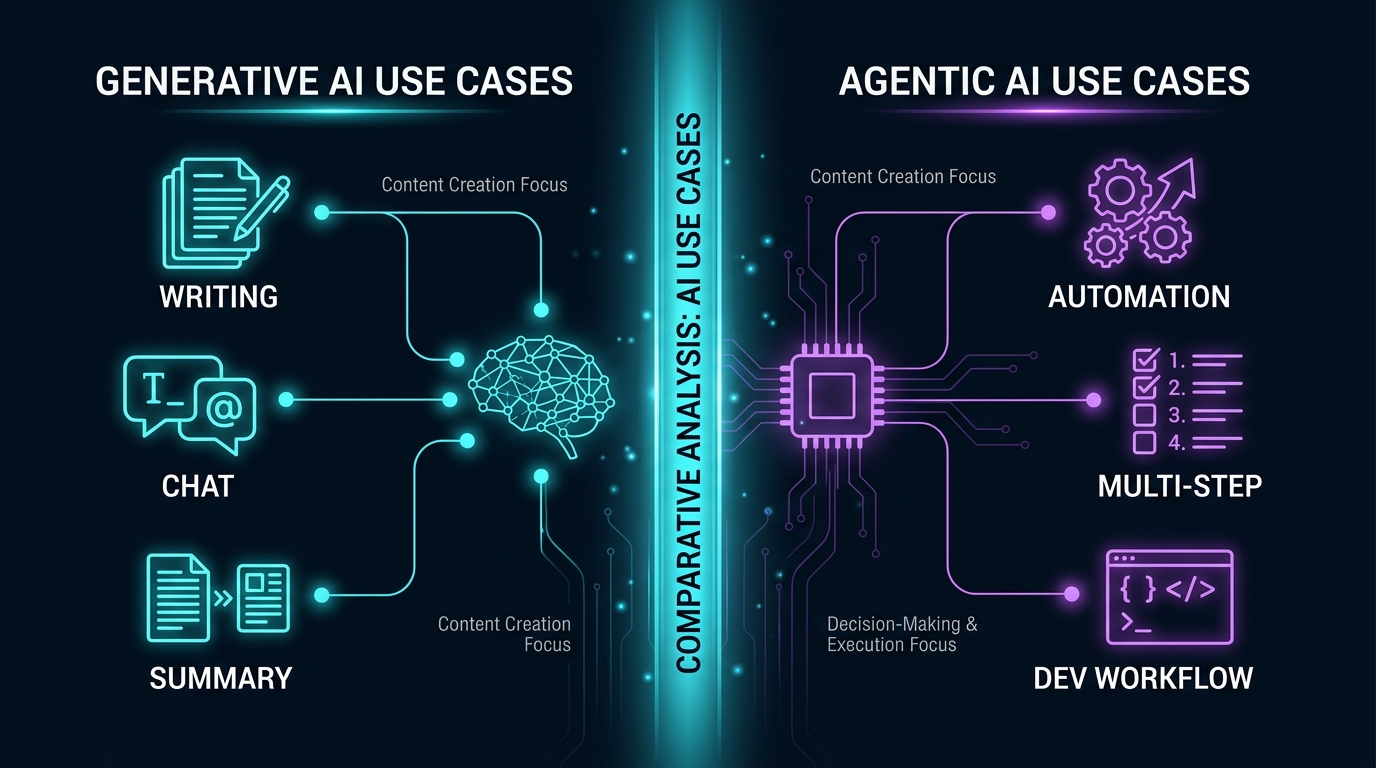
- Writing drafts, summarizing documents, and generating code snippets.
- Creating images, audio, or video from text prompts.
- Supporting brainstorming and iteration in human-led workflows.
What makes an AI system agentic
Agentic systems add more than output generation.
- They can break a goal into steps instead of answering one prompt at a time.
- They often call tools, check results, and decide what to do next.
- They are more useful for workflows that need persistence, state, and repeated decisions.
Why the distinction matters
The label changes buyer expectations.
- A content tool should be judged on quality and speed of output.
- An agentic workflow should be judged on reliability, guardrails, and task completion.
- Teams waste time when they buy a generative assistant expecting autonomous execution.
How to evaluate products without getting misled
A simple evaluation framework keeps the language honest.
- Ask whether the tool mostly generates or whether it also plans and acts.
- Check what happens after the first answer: can the system continue meaningfully on its own?
- Measure outcomes in workflow terms, not just in demo quality.
How we evaluate agentic AI claims
This guide is attributed to Kevin Zhang, ML Engineer & Agentic AI Developer at Generator AI Tools. For agentic AI topics, we care less about flashy demos and more about whether the system can plan, act, recover from mistakes, and stay reliable across repeated workflow steps.
- We separate true workflow autonomy from simple prompt chaining or marketing language.
- We look at observability, task completion, and failure handling rather than judging only the first response.
- We encourage readers to verify current product capabilities because agentic claims change quickly as products evolve.
What to verify before you choose
- Check whether the product really supports planning, tool use, and stateful execution.
- Look for evidence that the workflow can recover from failures instead of just producing one good demo.
- Verify current pricing, integration scope, and operational limits before buying in.
Bottom line
The cleanest mental model is this: generative AI creates, agentic AI orchestrates. Some products do both, but they should still be evaluated against the job you actually need done.