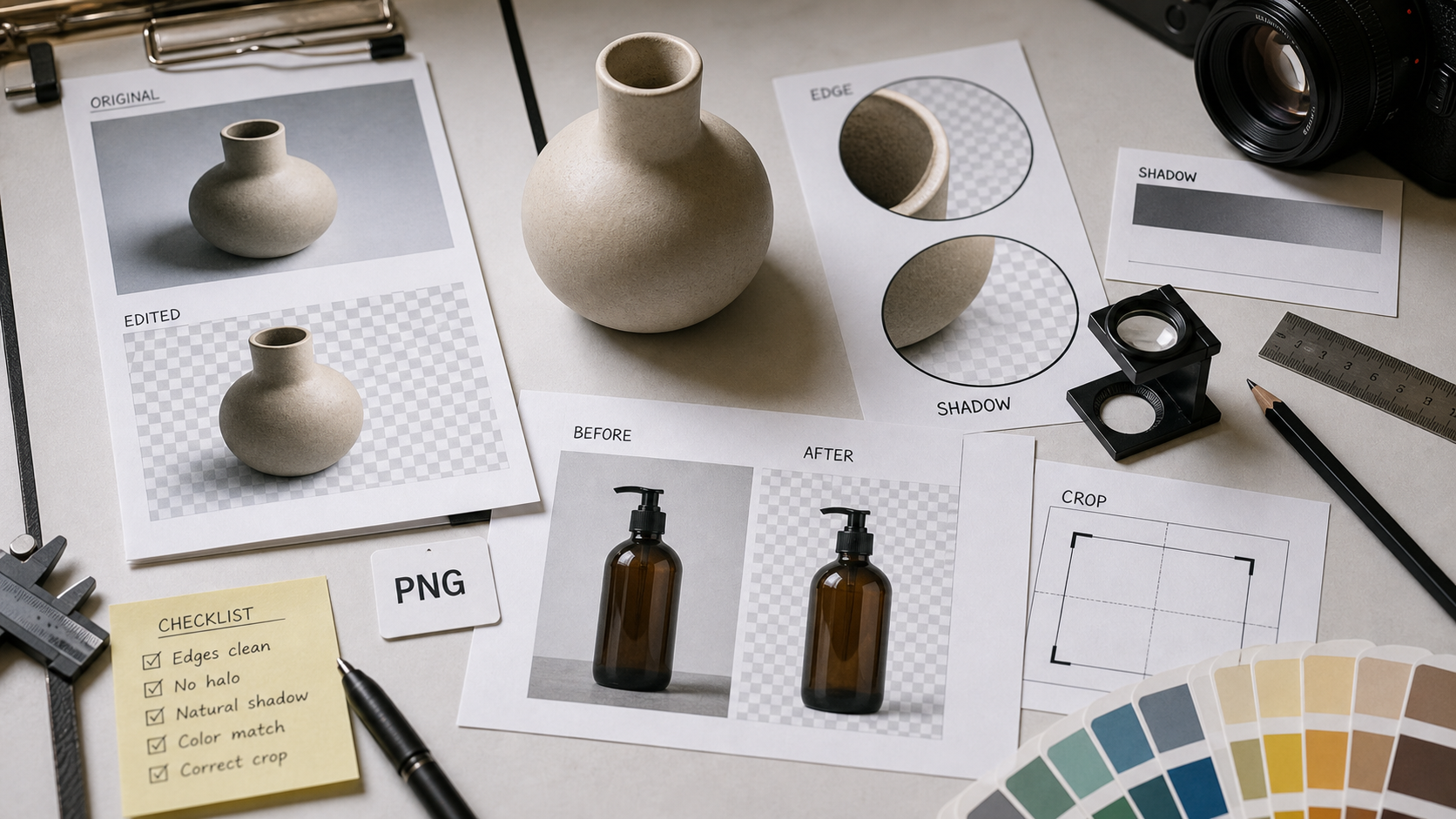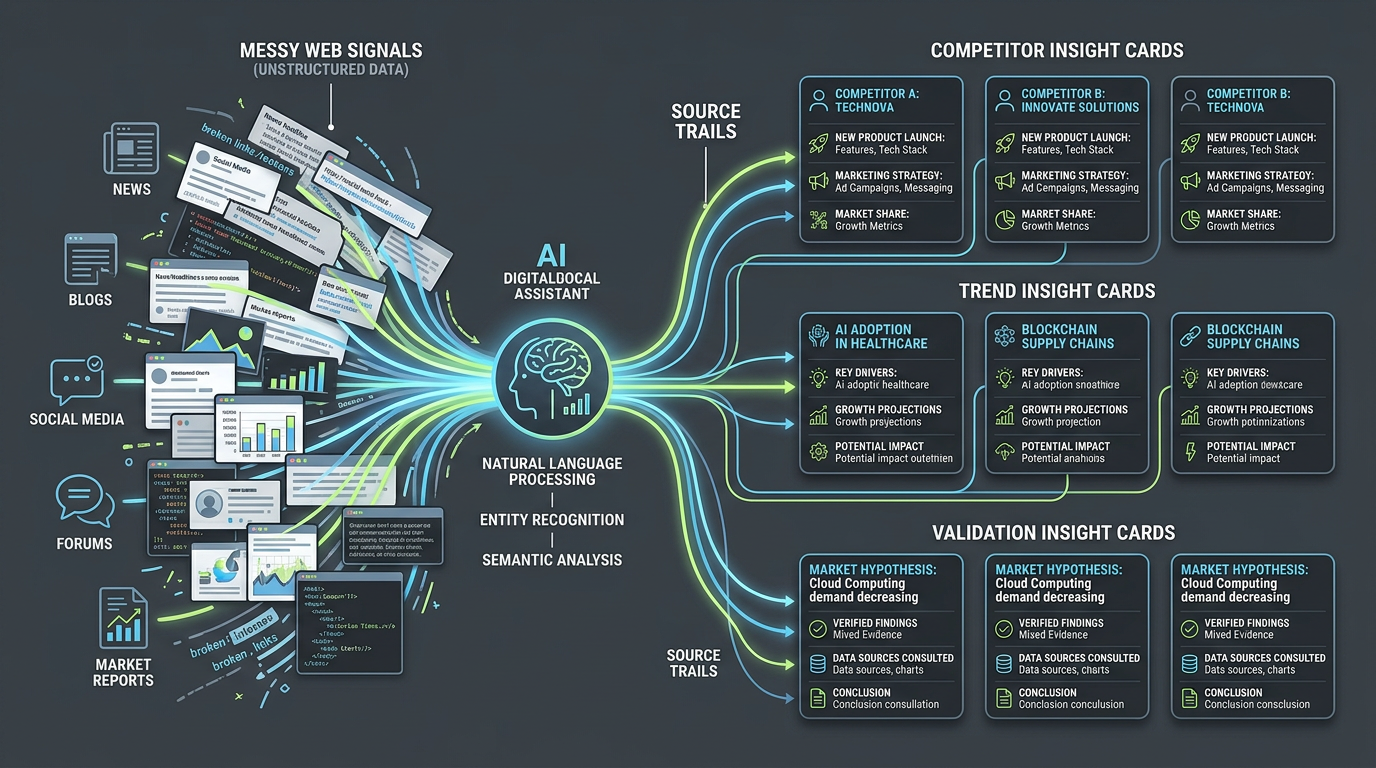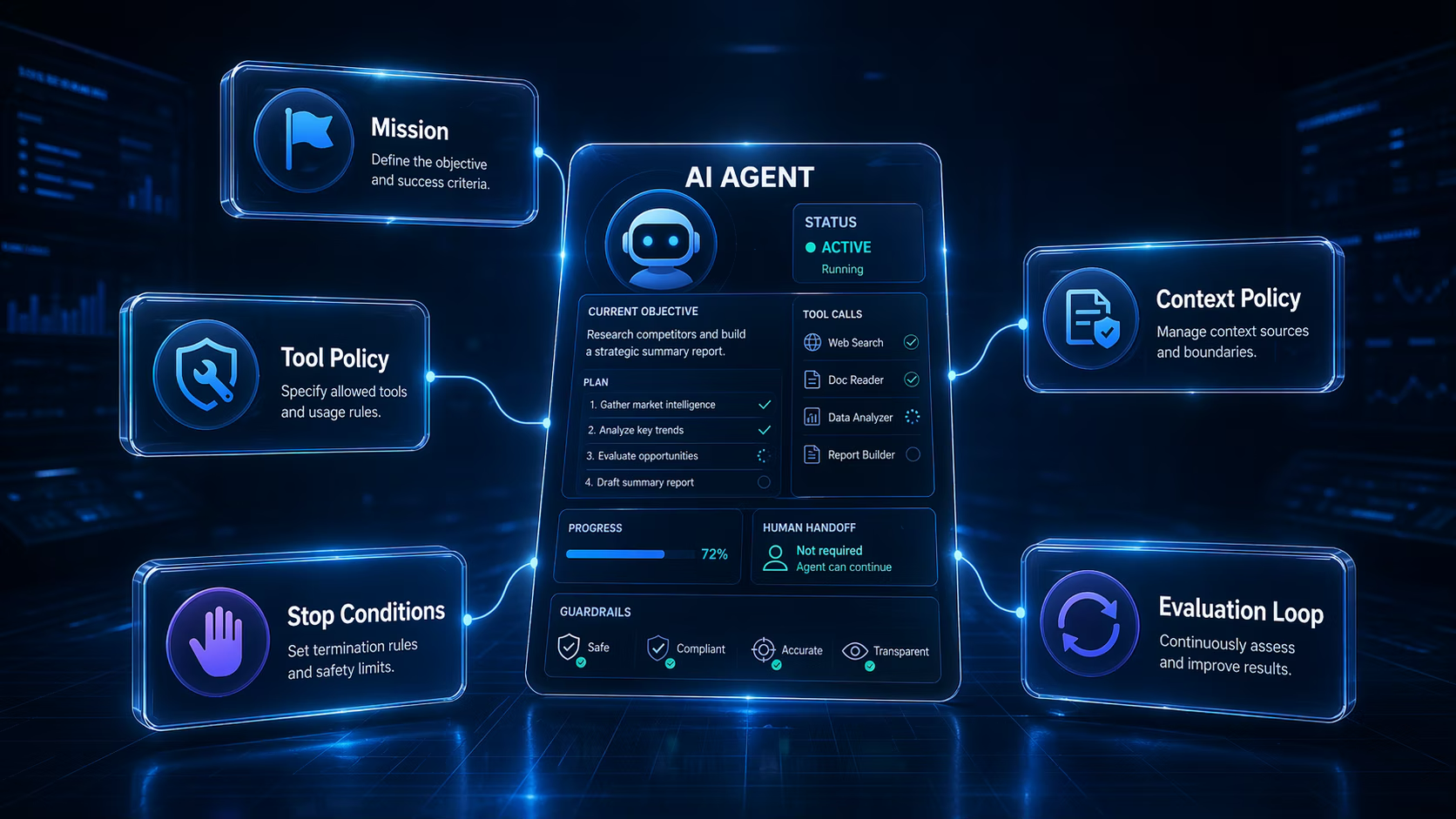

Last updated May 12, 2026: This draft targets "AI product photo generator" with ecommerce testing and QA intent.
An AI product photo generator can create lifestyle scenes, studio backgrounds, and ad variations faster than a traditional shoot. But ecommerce teams should test product accuracy first, because a beautiful image that changes the product is a liability.
Use the AI image generators directory to compare tools such as Productai, Photoroom, Pixelcut, and Adobe. Judge them with the same product, same brief, and same export requirements.
Key takeaways
- Product accuracy is more important than scene creativity.
- AI-generated backgrounds should support the product, not distract from it.
- Batch output must preserve scale, color, and crop consistency.
- Use AI product photos carefully for regulated products, claims, or marketplace listings.
- Human review should check every image before paid ads or product pages go live.
What should ecommerce teams test first?
Test whether the generator preserves the actual product. Look at shape, logo placement, labels, color, texture, straps, buttons, packaging details, and any features customers use to identify the item. If the product changes, the image is not ready for commerce use.
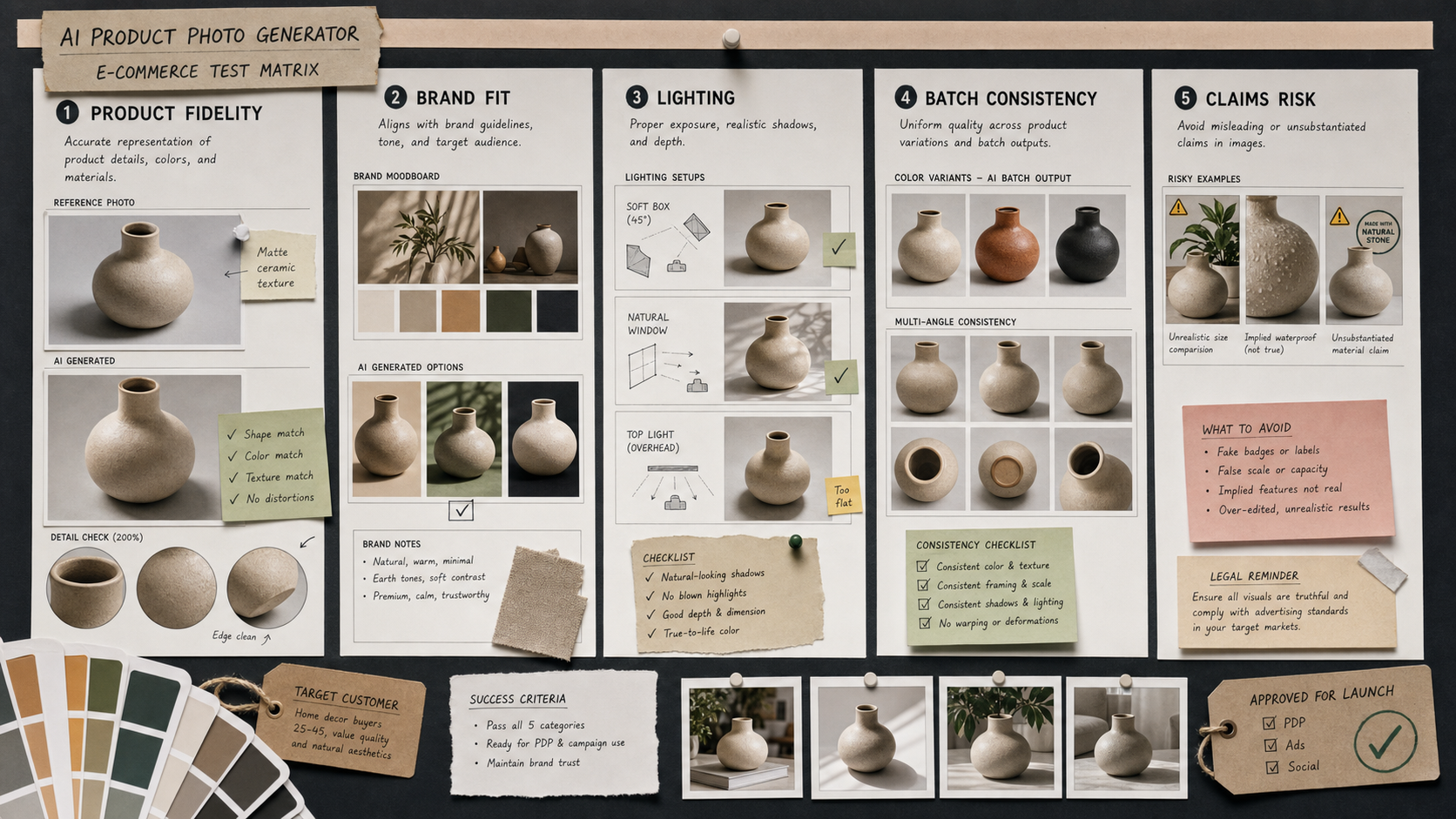
| Test | Why it matters | Pass condition |
|---|---|---|
| Product fidelity | AI can alter details while making the scene look realistic. | The item matches the real product photo. |
| Brand fit | Scenes can feel off-brand or generic. | Backgrounds fit the store's visual system. |
| Lighting | Bad lighting makes compositing obvious. | Highlights and shadows look believable. |
| Batch consistency | Catalog pages need consistent scale and crop. | Images align cleanly in a product grid. |
| Claims risk | Scenes can imply uses or benefits you cannot support. | No unsupported product claims appear visually. |
Best first use cases
The safest first use cases are background variations, seasonal hero images, social ad concepts, marketplace thumbnails, and internal creative testing. The riskiest use cases are images that imply product performance, medical outcomes, safety claims, or exact physical properties.
- Start with non-misleading background changes.
- Keep the original product photo available for comparison.
- Avoid changing packaging, label text, or visible specifications.
- Review generated scenes with merchandising, brand, and legal stakeholders when needed.
- Track which generated image was used in each campaign.
Final recommendation
Use AI product photo generators as a creative accelerator, not an accuracy shortcut. The winning tool is the one that creates usable variations while preserving the product customers will actually receive.
E-E-A-T review notes
Experience: Before publishing, run one product through three scene prompts and document which details changed.
Expertise: Ben Carter should keep this article focused on ecommerce product visuals, image generation QA, brand consistency, and product accuracy review.
Trust: Tell readers to review product claims, marketplace rules, and brand requirements before publishing generated ecommerce images.
References
- Google Merchant Center Product Studio - official help for AI-generated product imagery features
- Adobe Firefly - official Adobe generative AI product page
Where to go next
Use these internal links to continue from the article into tool comparison, product pages, and related workflows.
- AI image generators - compare product photo and image generation tools
- Productai - review product image generation workflows
- Photoroom - compare ecommerce product image editing
- AI Background Remover for Product Photos - clean source images before generating scenes