Editorial note, reviewed April 22, 2026: AI app-builder pricing and token rules change quickly. Treat the prices below as a buyer-facing snapshot from the supplied research draft, then verify current limits on the official vendor page before purchase.
Same.new is easiest to understand as a focused AI web app builder for people who want to move from prompt to working browser draft faster. The appeal is not mystery. Same.new gives buyers a clean entry point, a simple plan ladder, and enough pricing clarity to make the first test feel low-risk.
The catch is just as important: Same.new uses token-based usage. A low monthly plan can still become frustrating if your work involves heavy iteration, repeated rebuilds, or several contributors experimenting at the same time.
Key takeaways
- Best fit: solo founders, indie hackers, and product people testing app ideas quickly.
- Main strength: a clear self-serve pricing ladder that starts low enough for experimentation.
- Main risk: token usage makes real monthly value harder to predict than the headline price suggests.
- Compare against: Bolt.new for fast app prototyping, v0 for interface-first generation, and Pythagora for developer-led app workflows.
- Best next step: run one real project on the lowest tier, then measure revision quality and token burn before upgrading.
What is Same.new?
Same.new is an AI-assisted builder for generating web app drafts from natural-language prompts. In plain terms, it sits between a no-code prototype tool and a code-first development workflow.
People usually look at Same.new when they need to:
- Turn a rough product idea into an interface quickly.
- Generate a landing page or app shell before hand-coding.
- Test a workflow with users before committing engineering time.
- Reduce boilerplate during early product exploration.
That makes it relevant to founders, product managers, designers who are comfortable around code, and small teams that want faster concept validation. If you are looking for a mature engineering system with governance, deployment policy, and deep team controls, Same.new should be treated as a test candidate, not an automatic replacement.
Same.new pricing in 2026
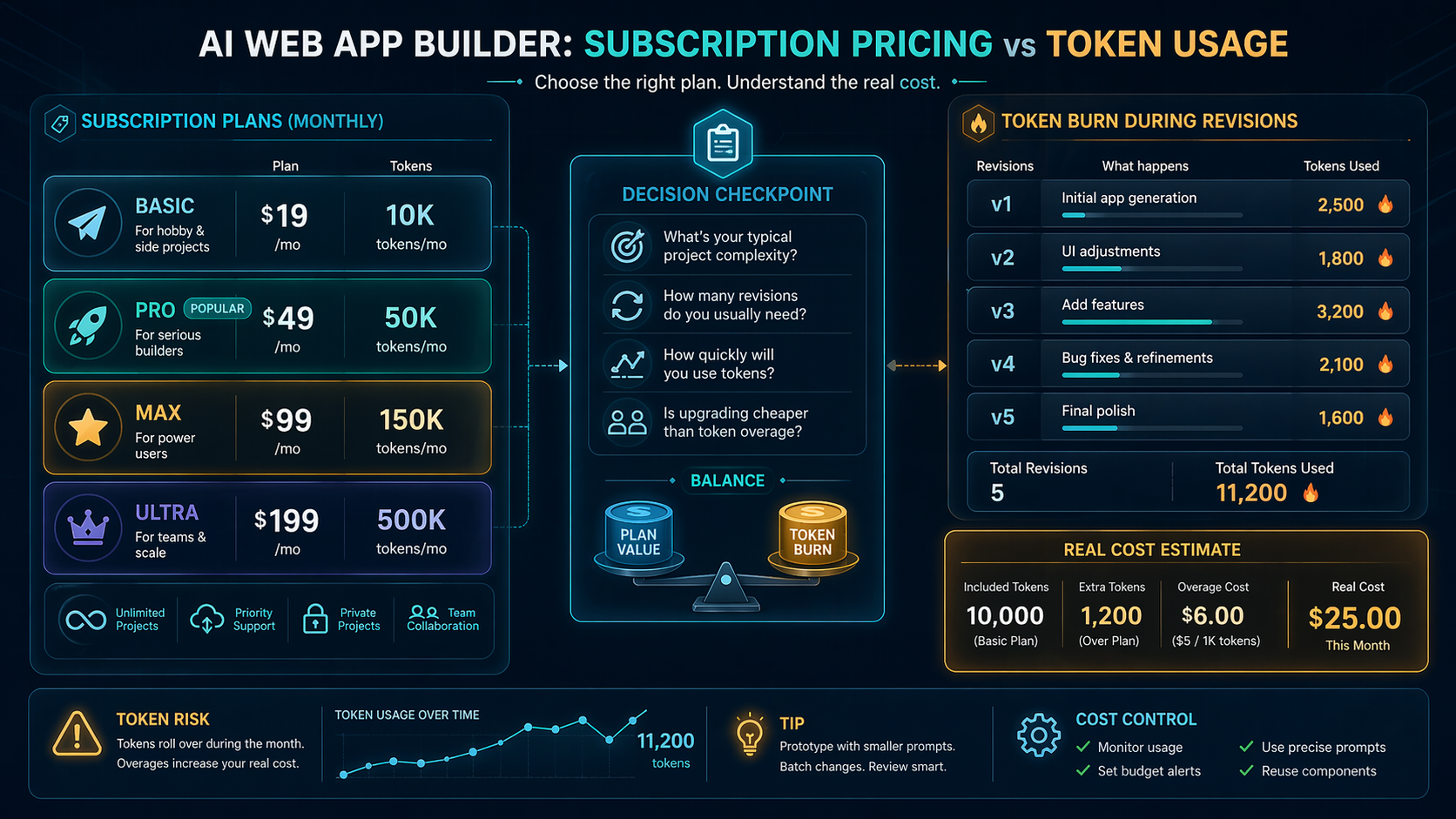
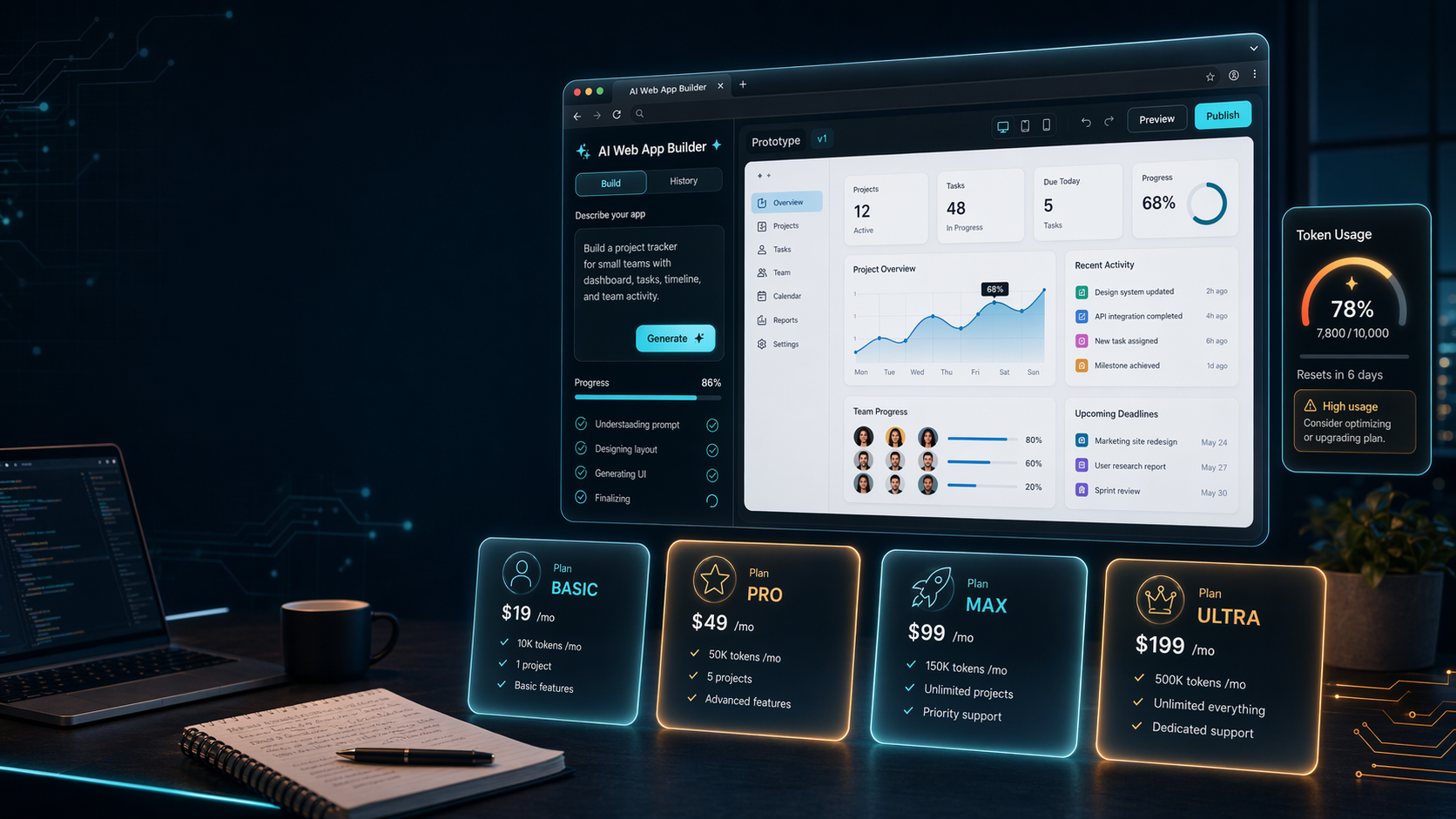
Pricing is the reason many buyers will look twice at Same.new. The supplied research draft lists four self-serve plans:
| Plan | Monthly price in supplied draft | Best read of the tier |
|---|---|---|
| Basic | $10/month | Low-cost trial path for solo experiments |
| Pro | $25/month | Regular individual usage |
| Max | $50/month | Higher-volume prototyping |
| Ultra | $100/month | Heavier self-serve generation |
The important phrase is not just "monthly price." It is token usage. Same.new appears to explain tokens, usage calculation, and higher-capacity needs as part of the pricing model. That means the plan price tells you the door you enter through, but token consumption decides how much useful work you get.
Buyer caution: do not compare Same.new only by subscription price. Compare it by the number of usable prototypes, revisions, and rebuilds you can complete before the plan starts feeling constrained.
Where Same.new is strongest
1. The entry price makes testing easier
A $10 entry tier is useful because it lowers the emotional and operational cost of trying an AI app builder. You do not need a procurement process to answer the first question: can this save me time on a real idea?
That matters more than it sounds. Many AI builders impress in a demo but become hard to justify once usage limits, team seats, or credit accounting appear. Same.new at least makes the initial test easier to start.
2. The plan ladder is simple
The Basic to Pro to Max to Ultra ladder is easy to explain. For small teams, that means one person can test the tool, document the results, and only then decide whether a higher tier makes sense.
That clean progression does not guarantee the product is better, but it does reduce buying friction. In a crowded AI builder market, clarity is a real advantage.
3. It fits prototype-first work
Same.new makes the most sense when the output does not need to be perfect on generation one. If your goal is to explore a product direction, compare app flows, or create a clickable starting point, speed matters more than strict production control.
That is where Same.new is likely to feel useful: early product discovery, quick interface drafts, and founder-led iteration.
Where Same.new falls short
Token usage can blur the real cost
This is the biggest limitation. Token models are not automatically bad, but they make budgeting harder. A team that rewrites prompts, regenerates layouts, and tests multiple variations can burn through usage faster than expected.
Ask these questions before upgrading:
- How many meaningful generations do we get per tier?
- Does editing a result consume tokens at the same rate as creating a new one?
- What happens when a build fails or needs repeated correction?
- Can multiple teammates share usage without confusing accountability?
If those answers are not clear, the low plan price should be treated as a trial price, not a reliable operating cost.
Public feature depth may lag pricing clarity
The pricing structure is straightforward. The production workflow story is the part a serious team still needs to verify.
Look for evidence around collaboration, rollback, code access, deployment handoff, larger project structure, and revision control. If you cannot find those answers publicly, test them before moving team work into the product.
It may not be enough for process-heavy teams
Same.new looks better for fast starts than for heavy governance. That is not a criticism. It is a fit issue.
A solo builder can tolerate manual cleanup after generation. A larger organization may need security review, role controls, predictable usage, and a repeatable release process. Those needs should shape the buying decision more than the first generated screen.
Same.new alternatives to compare
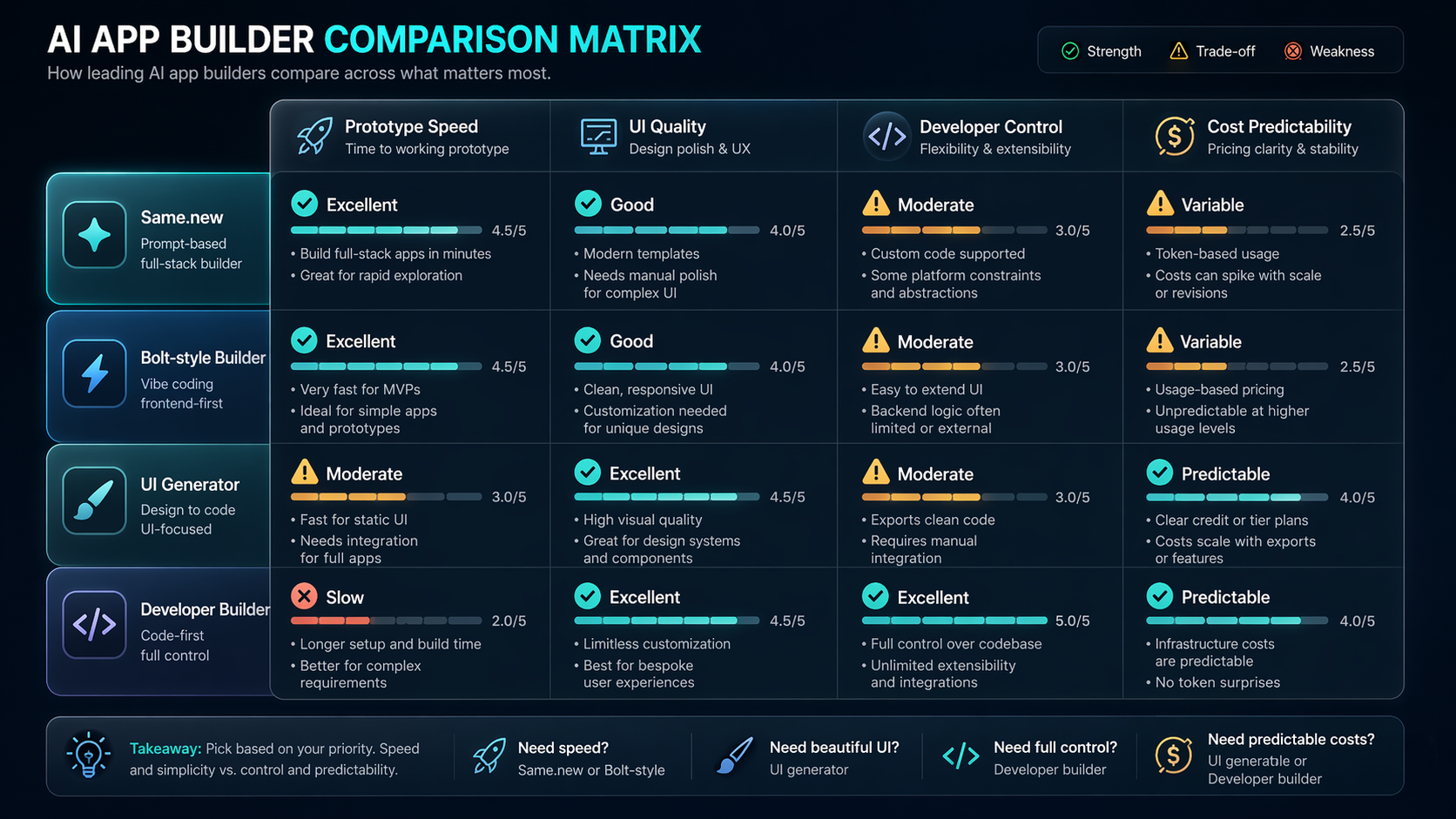
| Alternative | Strongest fit | Why compare it |
|---|---|---|
| Bolt.new | Fast app prototyping | A useful benchmark for prompt-to-app workflows |
| v0 | UI and front-end generation | Stronger if interface iteration is the core need |
| Pythagora | Developer-led app building | Better to evaluate when code ownership matters |
| Traditional stack | Production engineering | Still best when governance, testing, and maintainability dominate |
The right comparison depends on your center of gravity. If you think in product screens, compare Same.new with v0. If you think in shippable app behavior, include Pythagora and a normal developer workflow in the test.
A practical Same.new evaluation checklist
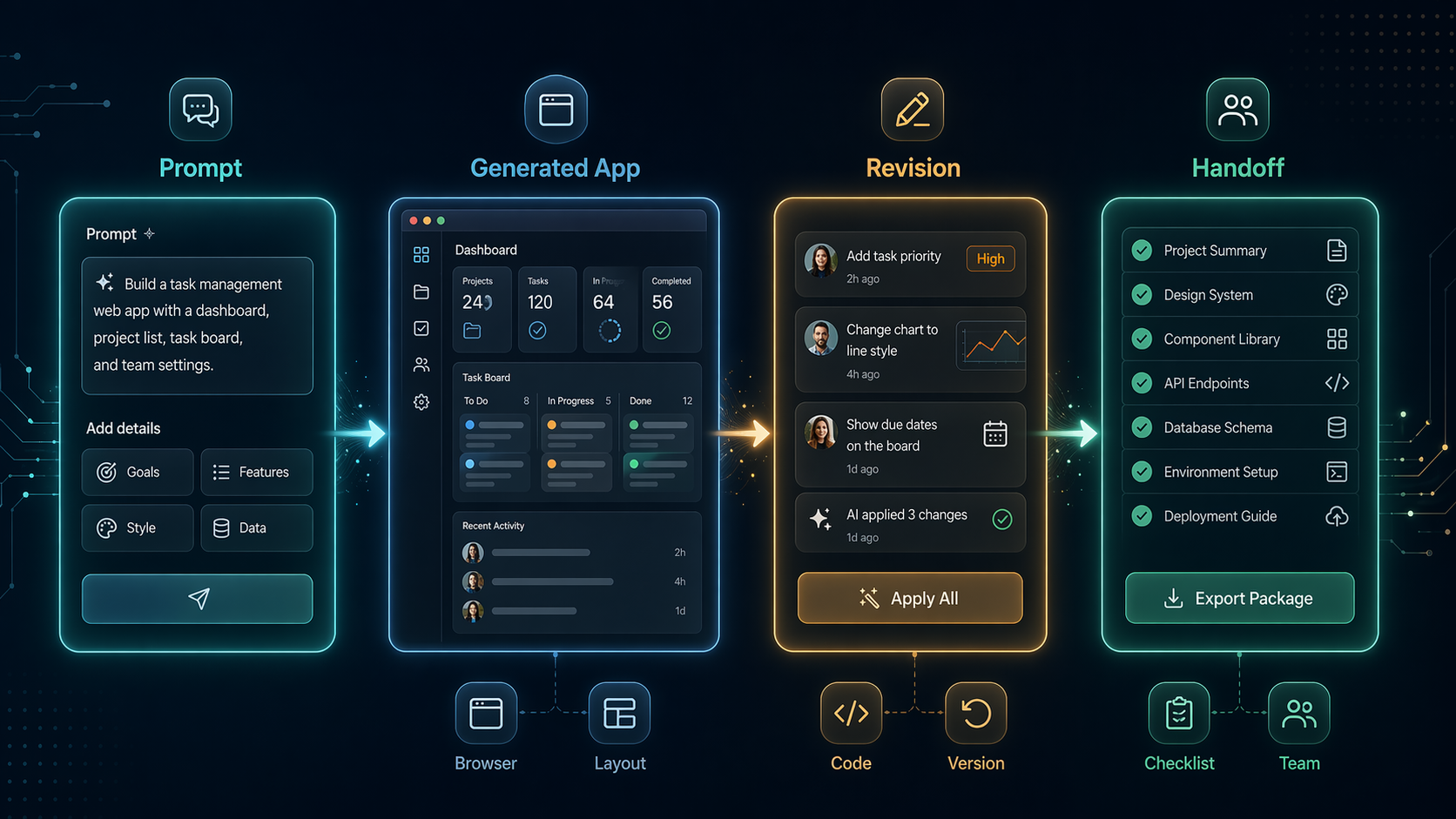
Before paying for a higher tier, run the same project through Same.new and one alternative. Use a real internal task, not a toy prompt.
- Generate the first version from a product brief.
- Revise the layout, copy, and interaction details.
- Track how many tokens or credits the revision cycle consumes.
- Check whether the output can be handed off to a developer without confusion.
- Compare the final result against Bolt.new, v0, or Pythagora using the same brief.
The most useful score is not "first draft wow." It is time saved after revision.
Who should use Same.new?
Same.new is worth testing if you are an indie hacker, solo founder, technical product manager, or small team validating ideas quickly. It is especially attractive when you need a low-cost way to pressure-test app concepts before investing in a larger build.
It is less compelling if your team needs fixed monthly cost, enterprise controls, deep documentation, or a workflow that plugs cleanly into existing engineering standards from day one.
Internal resources to use next
If you are comparing Same.new as part of a broader development stack, start with the AI developer tools directory, then read our AI Agent Tools for Developers guide for a more cautious view of automation, review gates, and human control.
FAQ
Is Same.new a no-code builder?
Not exactly. It is better described as an AI web app builder. It may reduce coding effort, but buyers should still verify code access, export behavior, and handoff quality before treating it as a no-code replacement.
Is Same.new good for production apps?
It may help start production work, but the safer framing is prototype-first. Use it to generate and revise an app draft, then evaluate maintainability, testing, and deployment needs before relying on it for production.
What is the biggest Same.new pricing risk?
Token usage. The monthly plan can look simple while the actual value depends on how many generations and revisions your workflow consumes.
Which Same.new alternative should I test first?
Test v0 if interface quality is the main goal. Test Bolt.new if fast app prototyping is the benchmark. Test Pythagora if you want a more developer-oriented app-building workflow.
Verdict
Same.new deserves attention because it lowers the cost of trying AI web app building. The clean pricing ladder is a real advantage, especially for solo builders and small teams.
The decision should still be disciplined. Use Same.new for a real project, measure token burn, compare revision quality, and only then decide whether the tool belongs in your long-term development workflow.