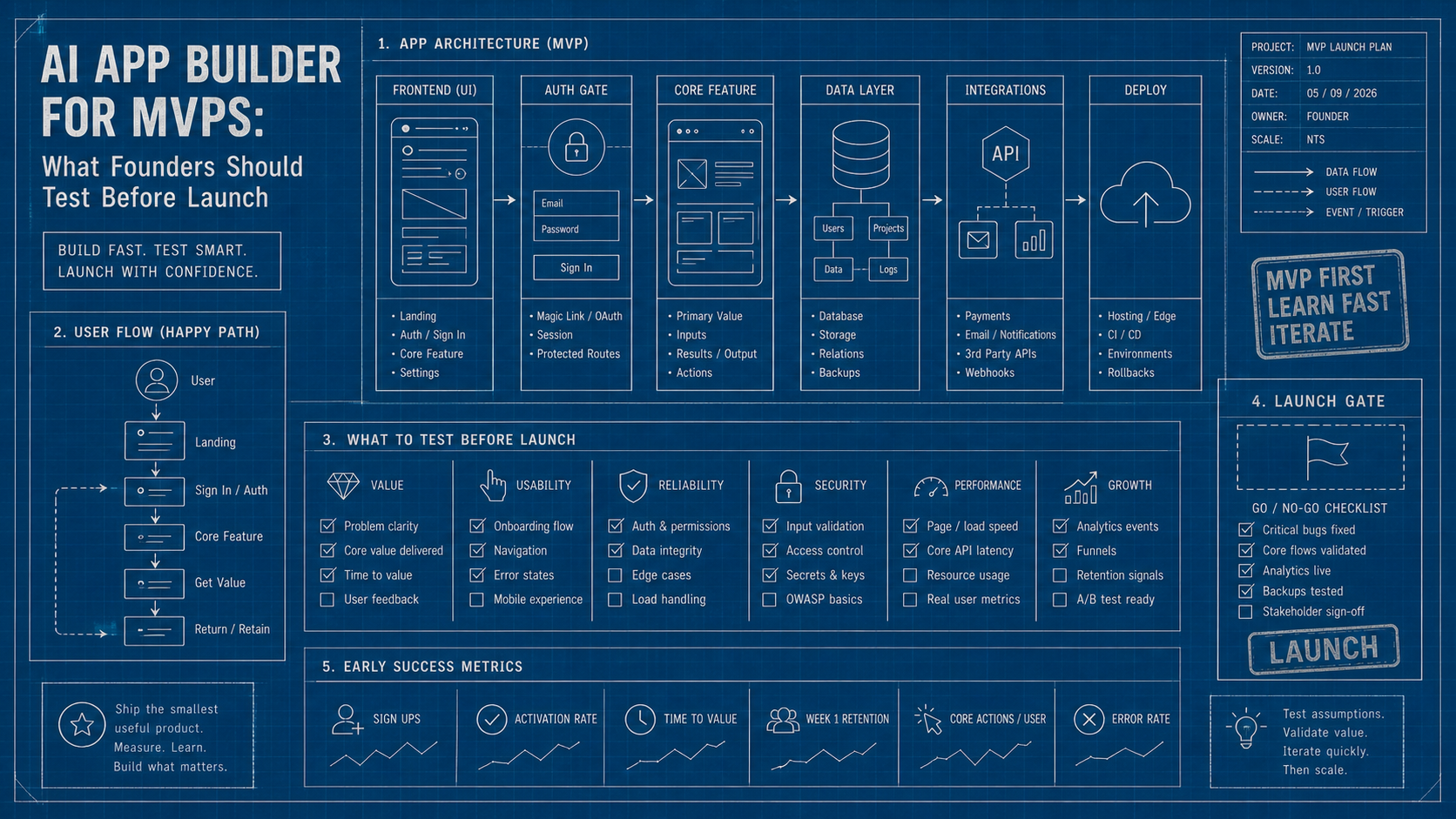
Editorial note, prepared May 6, 2026: This is an engineering checklist for AI-built prototypes. It is not a security certification. Teams should run their own code review and deployment review before shipping.
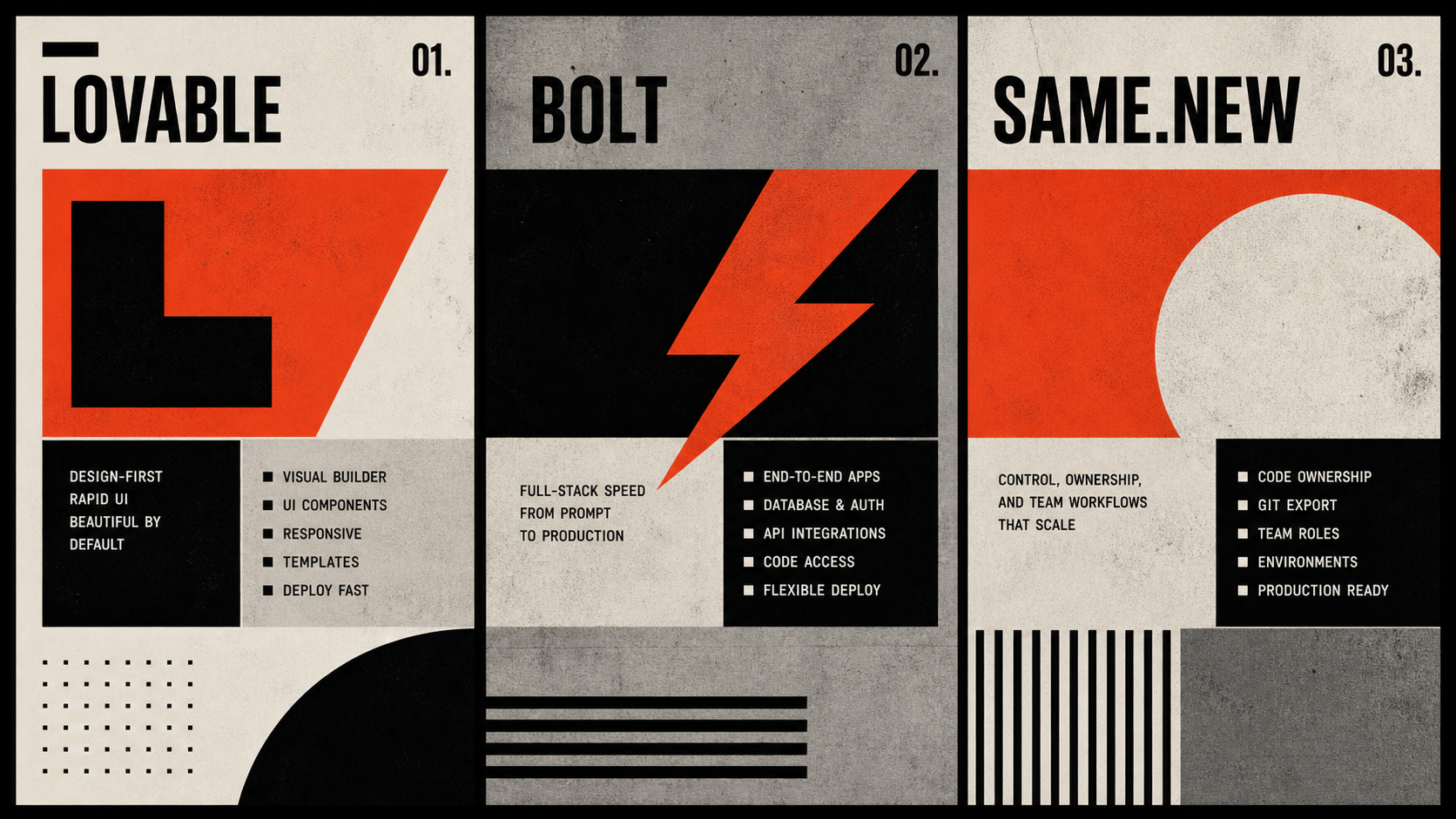
Same.new production readiness starts after the demo looks good. A cloned interface or AI-generated app can feel finished long before the code is ready for users, private data, payments, or a public launch.
Use this checklist when a Same.new prototype needs to move from "impressive preview" to "something we can maintain." The point is not to slow the team down. The point is to catch the boring failures before customers do.
Key takeaways
- A Same.new prototype should be reviewed like any other generated codebase before production.
- Auth, data access, secrets, validation, and logs matter more than visual polish.
- Do not ship without a rollback plan and a way to monitor errors.
- Generated code is easier to accept when the team can read, test, and own it.
- Use Same.new for speed, then use engineering discipline for safety.
The production readiness checklist
| Area | Question to answer | Pass signal |
|---|---|---|
| Code ownership | Can the team export, inspect, and modify the code? | Repository exists, dependencies are documented, and the app runs locally. |
| Authentication | How are users, sessions, and roles handled? | Auth flow is explicit and tested with normal and edge-case accounts. |
| Data model | Where does user data live and who can access it? | Tables, permissions, backups, and retention rules are clear. |
| Secrets | Are API keys and tokens protected? | No secrets in client code, logs, screenshots, or public repositories. |
| Deployment | Can the app be deployed and rolled back safely? | Environment variables, build steps, and rollback process are written down. |
| Monitoring | Will the team know when something breaks? | Error tracking, logs, uptime checks, and owner alerts exist. |
Start with generated code review
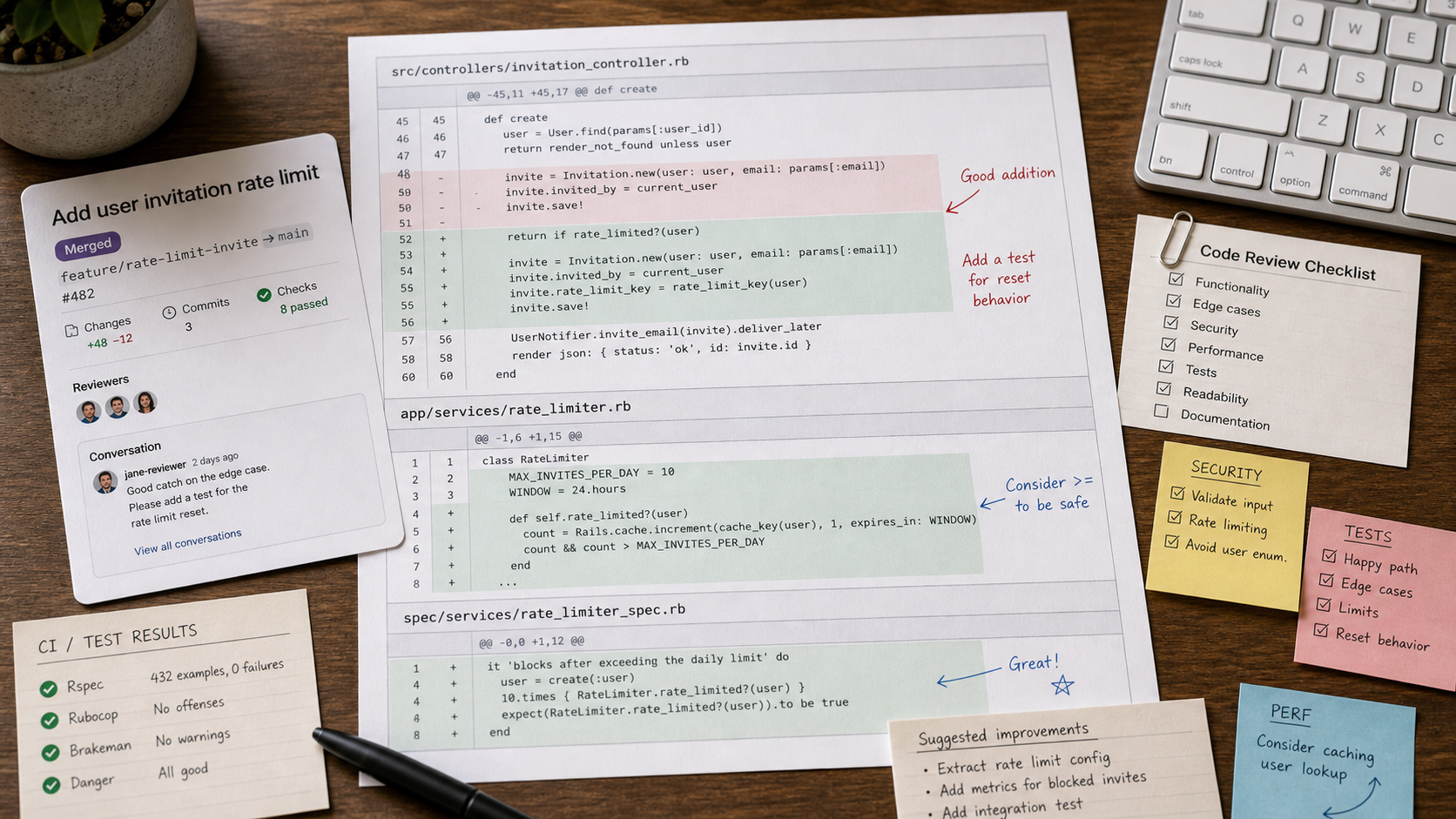
The first production question is simple: can a developer understand the generated code without guessing? Review component names, state management, routing, API calls, package choices, and places where the app silently assumes happy-path input.
If the code is visually correct but structurally unclear, pause before adding more features. Refactor the base first. AI-generated prototypes can become expensive when every later change fights the original structure.
Check auth and data before public traffic
Authentication is where a prototype often stops being a prototype. Check sign-up, login, password reset, team roles, session expiration, and what happens when a user tries to access a page they should not see.
Data handling deserves the same scrutiny. The app should validate inputs, avoid exposing private records, and handle empty states, failed saves, duplicate submissions, and deleted accounts.
Deployment is a workflow, not a button
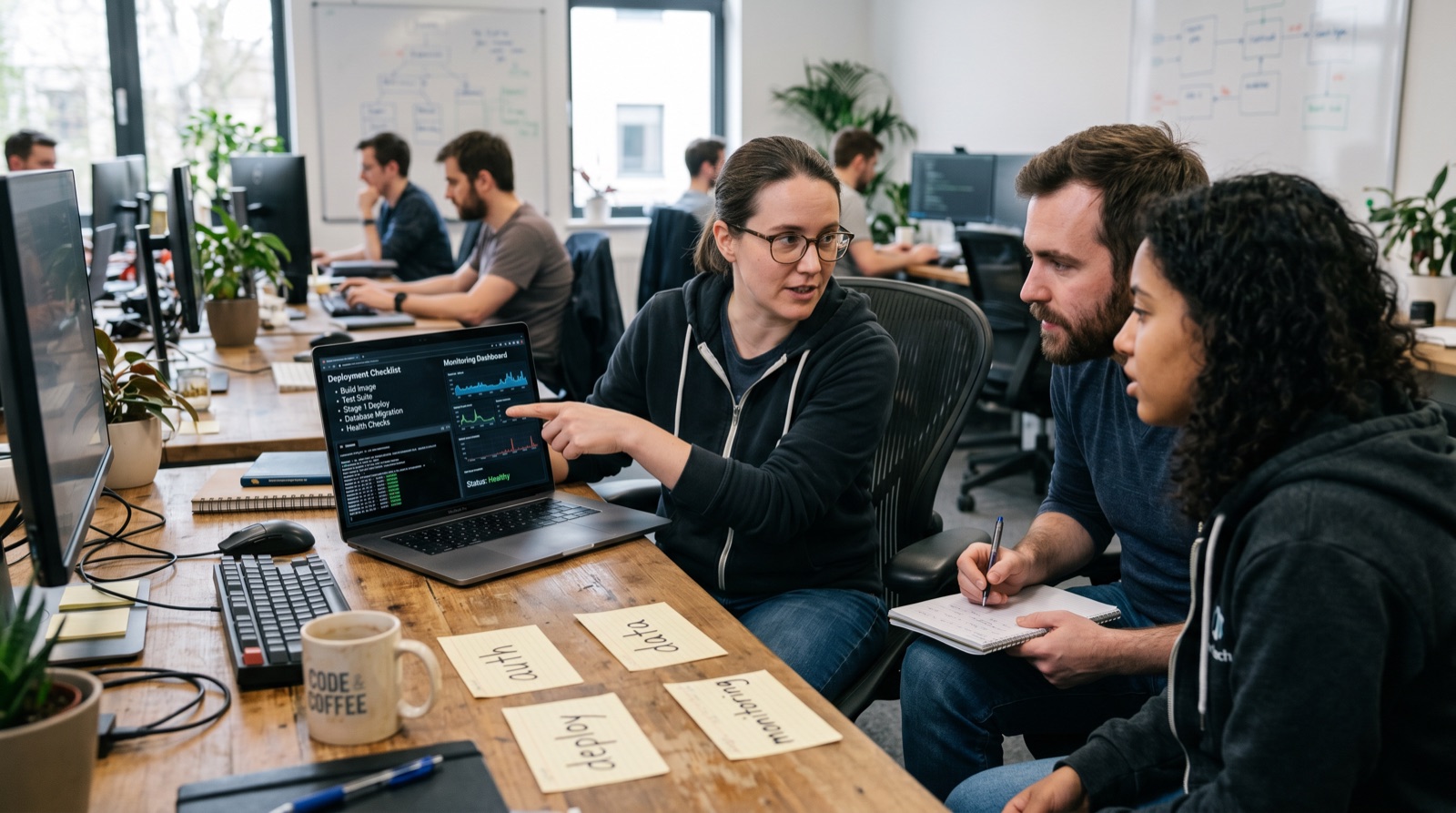
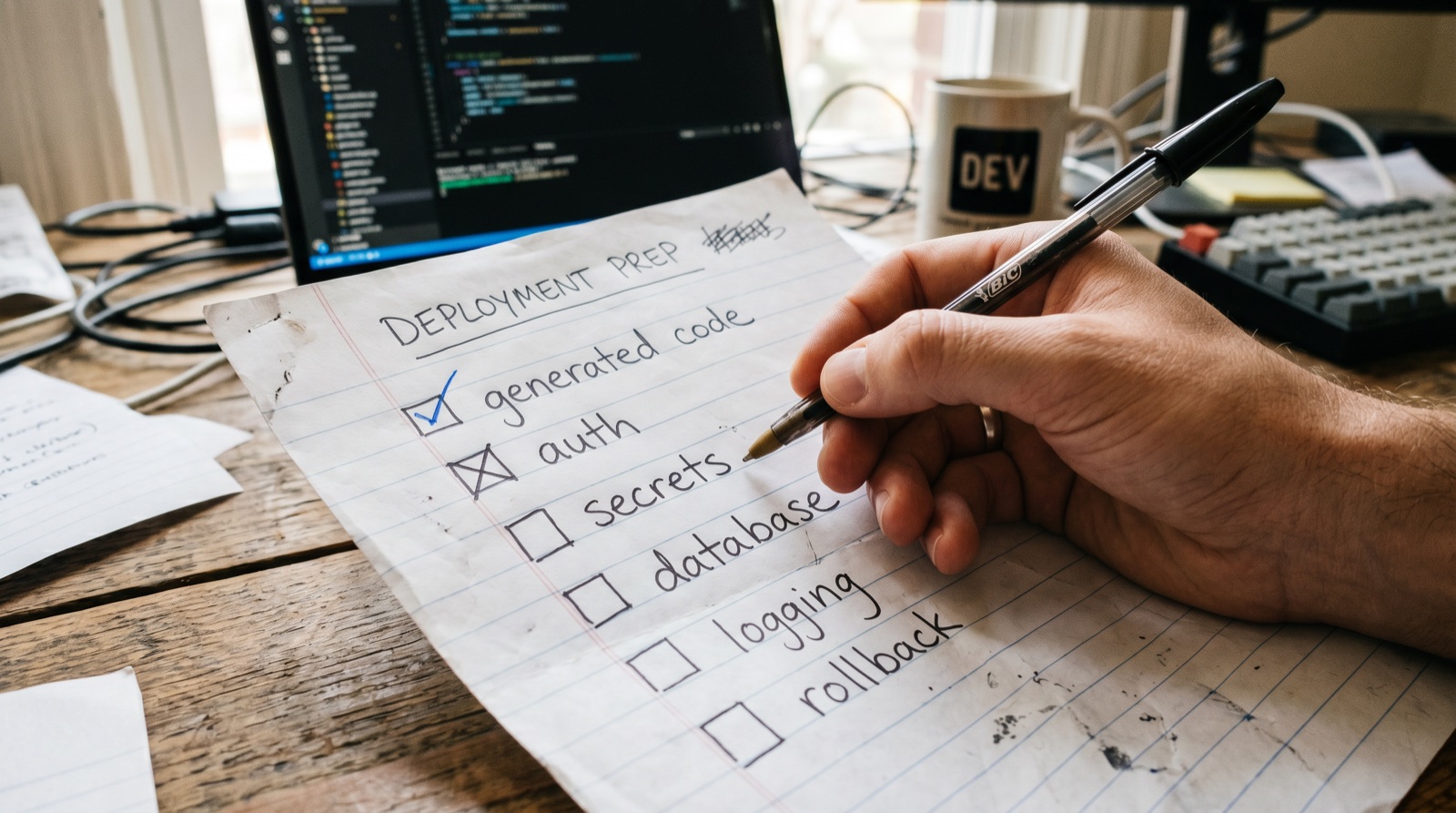
A public launch needs a repeatable deployment path. Document the environment variables, build command, database setup, migration steps, and rollback process. If only one person can deploy it from memory, the system is not production-ready.

When not to ship yet
- The app works only with a demo account or a perfect sample input.
- No one has checked whether secrets are exposed in the browser.
- There is no error tracking, owner, or rollback plan.
- Generated dependencies are outdated or unexplained.
- The team cannot explain what data is stored and why.
E-E-A-T notes for editors
Add a short "reviewed by" note from a technical editor before publication. If possible, include a small anonymized checklist screenshot from a real prototype review to strengthen experience signals.
References and source notes
- OWASP Top 10 - general web application security risk reference
- CISA secure by design guidance - secure software development principles
- Same.new official site - product context
Where to go next
Use these internal links to move from the article into the right comparison, category, or tool research path.
- Same.new alternatives guide - compare workflow fit before committing
- Same.new review - understand strengths and limits
- AI coding workflow comparison - compare coding assistants for handoff work
Final recommendation
Treat Same.new as a speed layer, not a launch guarantee. If the prototype has clear code ownership, safe auth, controlled data access, documented deployment, and monitoring, it can move forward. If not, keep it in prototype mode until the risky parts are boring.