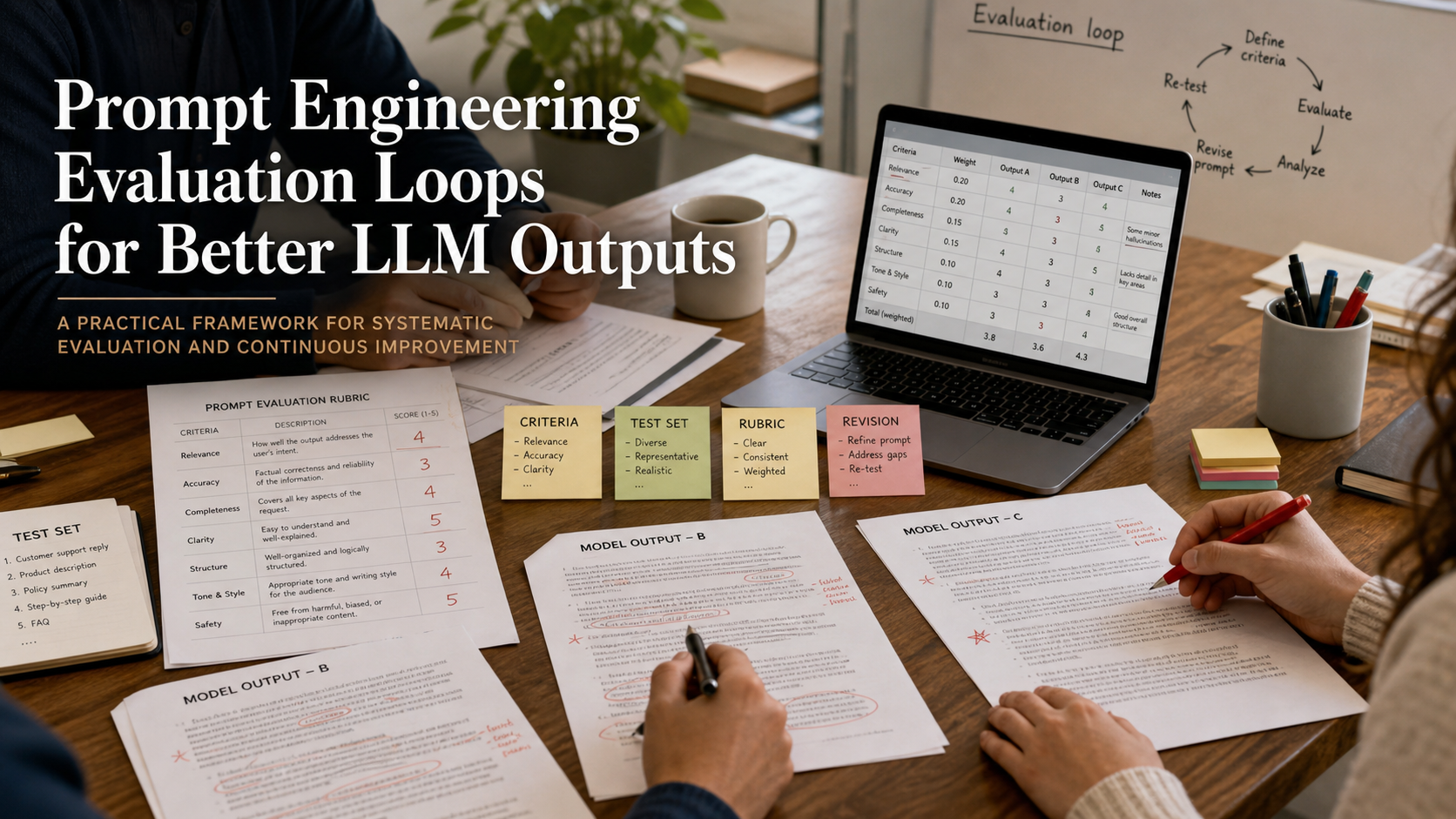
Editorial note, reviewed April 17, 2026: Perchance remains a strong free-first story generator, but this article was updated to help readers choose alternatives by workflow: speed, structure, scene planning, or revision quality.
If you need Perchance AI Story Generator alternatives, the honest answer is that most tools are not clean one-to-one replacements. Perchance is popular because it is fast, low-friction, and easy to try without a heavy account flow. Many alternatives are better at structure or polish, but slower to start.
So the right question is not “what is the Perchance clone?” It is: what problem are you trying to solve after Perchance stops being enough?
Best Alternatives at a Glance
| Alternative | Best For | Why It Is Different From Perchance | Main Tradeoff | Internal Link |
|---|---|---|---|---|
| Storycraft | Guided plot and story structure | More intentional story-building workflow | Less instant than Perchance | Use for messy premises |
| Storyd | Narrative organization and presentation | Stronger framing than raw prompt output | Not purely fiction-first | Use for cleaner story packages |
| Wemadeastory | Beginner story expansion | Simple prompt-to-story flow | Feature depth may vary | Use for easy idea expansion |
| Storyboardhero | Scene planning and sequencing | Better for visual or outline-first planning | Less suited to raw prose generation | Use before drafting scenes |
| Claude | Rewrites and emotional continuity | Stronger editor-style feedback | Requires better prompting | Use after a rough Perchance draft |
| ChatGPT | Flexible brainstorming and outlines | Good all-purpose iteration | Can sound generic without constraints | Use for alternate plot routes |
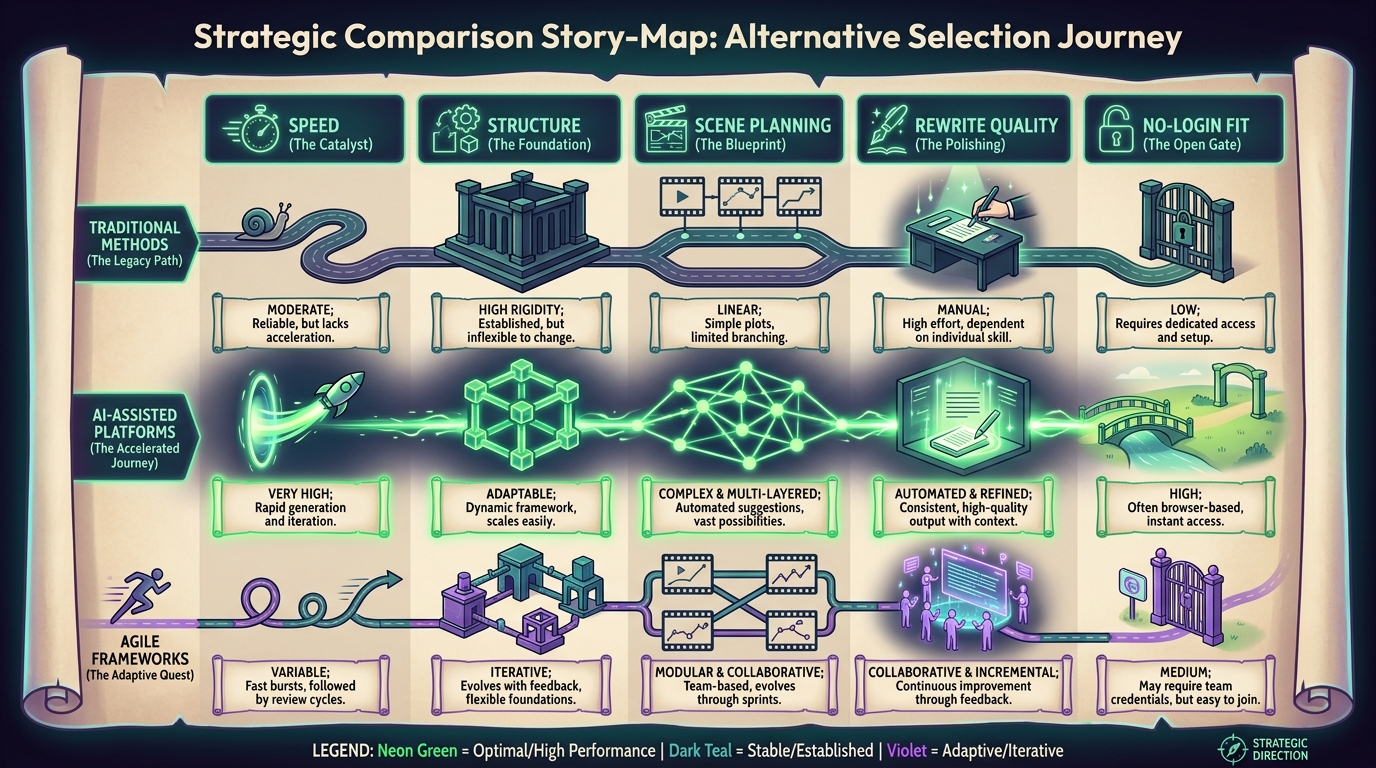
For a broader market view, start with our best AI story generators for creative writers and the full AI story generator category.
Why Writers Look for Perchance Alternatives
Most people do not leave Perchance because it is useless. They look elsewhere because their project gets more serious.
Common reasons include:
- The story needs better long-form continuity.
- The prose needs a cleaner rewrite pass.
- The writer wants more control over genre, tone, or pacing.
- The first draft is good enough to develop, so saving and structure matter more.
- The user wants a backup when a no-login tool is slow, unavailable, or inconsistent.
That is a normal progression. A quick generator is great for the first spark. It is not always the best home for the whole project.
Alternatives by Use Case
If you want more structure, try Storycraft. It is a better fit when your premise is vague and you need help turning it into a plot path.
If you think in scenes, try Storyboardhero. It is not the closest Perchance substitute for prose, but it can help you plan sequence, visual beats, and story flow before drafting.
If you want a simple beginner path, try Wemadeastory. It is worth testing when you need an easy idea-expansion tool rather than a complex writing suite.
If you already have rough text, use Claude or ChatGPT. This is the most practical upgrade path. Generate fast in Perchance, then use a stronger assistant to diagnose weak pacing, flat dialogue, or generic endings.
Same-Prompt Test
Do not compare tools with different prompts. Use this instead:
Write a 900-word fantasy scene where a retired monster hunter has to ask the monster they spared years ago for help. Keep the tone weary, funny in small places, and emotionally restrained. End with an uneasy alliance, not a fight.
Score each tool on:
- setup friction;
- prompt following;
- voice specificity;
- scene ending;
- continuity potential;
- amount of editing needed.
If Perchance wins speed but loses revision quality, keep it as a drafting spark. If an alternative wins structure, use it earlier in the outline. If Claude or ChatGPT wins polish, use them after the rough draft.
No-Login Options and Reality Check
The phrase AI story generator no sign up is attractive, but it can hide tradeoffs. No-login tools may be fast, but they may also have weaker saving, fewer controls, unstable sessions, or unclear privacy expectations. Use them for low-risk prompts and early experiments.
For serious work, the best workflow is often hybrid:
- Use Perchance for quick variations.
- Pick one direction.
- Move the outline into a more controlled tool.
- Rewrite in your own voice.
- Save the final work somewhere you control.
The bottleneck is usually not generation. It is choosing the right next step.
Which Perchance Alternative Should You Choose?
Choose Storycraft if you want plot guidance. Choose Storyboardhero if your next step is scene planning. Choose Wemadeastory if you want simple story expansion. Choose Claude if you need emotional continuity and revision help. Choose ChatGPT if you want flexible brainstorming across many directions.
Use AI Generator Tools when the problem is discovery. The directory helps you compare tool pages, pricing labels, categories, and related editorial guides instead of bouncing through search results blindly.
FAQ
What is the best free AI story generator like Perchance?
Perchance is still one of the strongest instant free options. The best alternative depends on whether you need structure, scene planning, or revision quality.
Is there an AI story generator no sign up besides Perchance?
Some tools may offer no-login or limited free access, but the details change. Check the official page and test a real prompt before relying on any tool.
What is the best Perchance alternative for fanfiction writers?
Use Perchance for rough fandom prompts, then use Claude or ChatGPT for voice, continuity, and scene rewrites. Fanfiction needs character control more than feature count.
Are Perchance alternatives better for long stories?
Sometimes. Perchance is strong for quick drafts. Alternatives can be better when you need outlines, saved projects, continuity, or cleaner editing workflows.
How do I compare Perchance AI alternatives quickly?
Test the same prompt across three tools, then compare setup friction, output quality, rewrite effort, and whether the result fits your actual workflow.
Related Reading
- Perchance AI Story Generator Review and Alternatives
- Best AI Story Generators for Creative Writers
- Best AI Fanfic Generators for Faster Story Drafting
- AI Book Generators: What They Actually Help You Do